
Sour Tamarind
Tamarindus indicaClinical Encyclopedia
Sour Tamarind provides 287 kcal, 2g of protein, 75g of carbohydrates, and 5.1g of fiber per 100g. With a Nutri-Score grade 'B', it is a highly recommended option for nutrient density.
Sour tamarind is a tropical fruit known for its tangy flavor and is often used in culinary dishes and traditional medicine. It is rich in vitamins, minerals, and antioxidants, making it a nutritious addition to the diet.
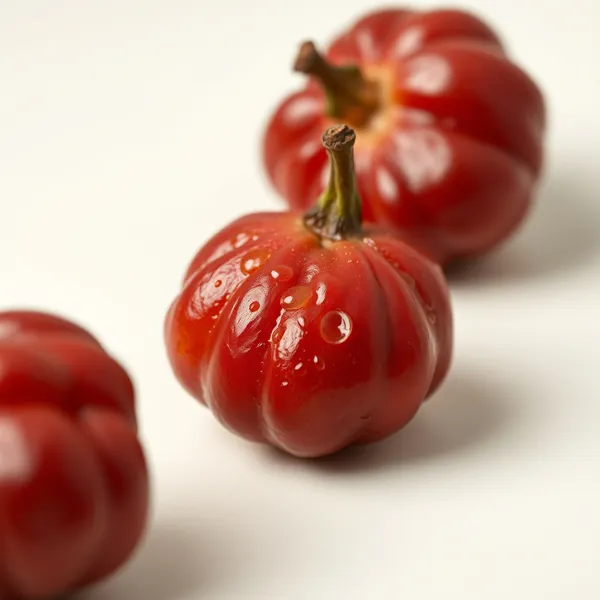 Sour TamarindVSAcai Berry Blend
 Sour TamarindVSAcerola
 Sour TamarindVSAmerican Black Elderberry
 Sour TamarindVSAmerican Bladdernut
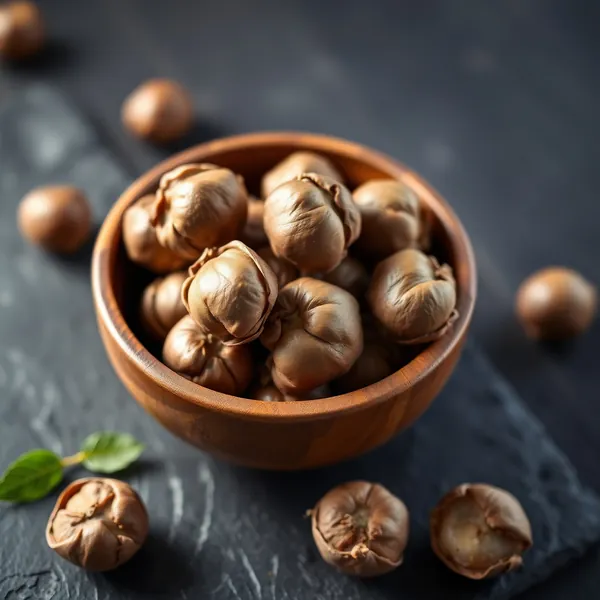 Sour TamarindVSAmerican Elderberry
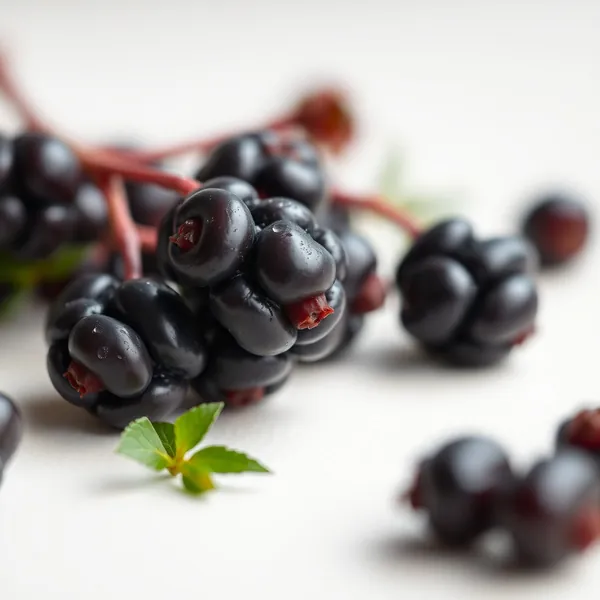 Sour TamarindVSAmerican Hackberry
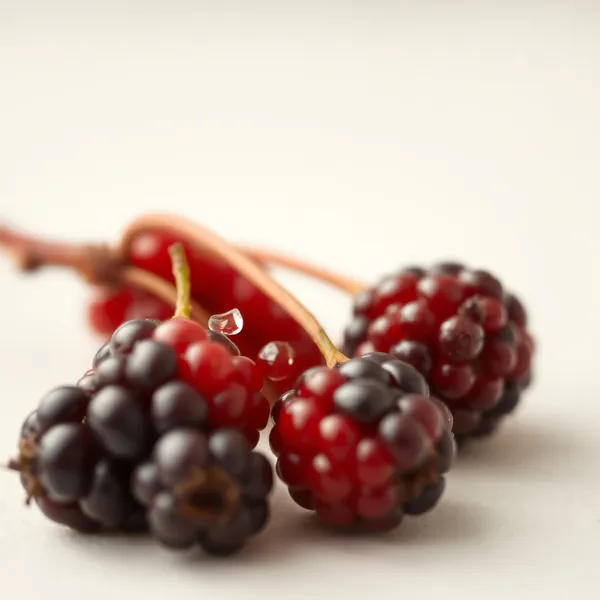 Sour TamarindVSAmerican Plum
 Sour TamarindVSApple
 Sour TamarindVSApricot
 Sour TamarindVSSweet Moorpack Apricot
Macronutrient Ratio
Caloric distribution of primary energy metrics per 100g
Micronutrient DV% Score
Top vitamins and minerals ranked by percentage of Daily Recommended Value
Complete Micronutrient Breakdown
Detailed concentration of essential micronutrients per 100g serving.
Vitamins
Minerals
Health Benefits
Possible Risks & Side Effects
How to Prepare & Consume
Sour tamarind can be consumed raw, used in cooking, or made into a paste for sauces and beverages. It is best to soak the pulp in water to soften it before use.
Smart Selection & Storage
Choose tamarind pods that are plump and firm, with a rich brown color. Avoid any that are overly dry or have cracks.
Store in a cool, dry place or refrigerate to extend freshness. Once opened, keep in an airtight container.
Myths vs Realities
Healthy Recipes
Sour Tamarind and Quinoa Salad
A refreshing salad combining the tangy flavor of sour tamarind with protein-rich quinoa, fresh vegetables, and a zesty dressing.
- 1 cup cooked quinoa
- 2 tablespoons sour tamarind paste
- 1 cup diced cucumber
- 1 cup cherry tomatoes, halved
- 1/4 cup chopped fresh cilantro
- 1 tablespoon olive oil
- 1 tablespoon lime juice
- Salt and pepper to taste
- 1. In a large bowl, combine the cooked quinoa, cucumber, cherry tomatoes, and cilantro.
- 2. In a separate bowl, whisk together the sour tamarind paste, olive oil, lime juice, salt, and pepper.
- 3. Pour the dressing over the salad, toss gently, and serve chilled.
Sour Tamarind Glazed Grilled Chicken
Juicy grilled chicken thighs marinated in a tangy sour tamarind glaze, perfect for a healthy summer barbecue.
- 4 chicken thighs, skinless
- 3 tablespoons sour tamarind paste
- 2 tablespoons honey
- 1 tablespoon soy sauce
- 2 cloves garlic, minced
- 1 teaspoon ginger, grated
- Salt and pepper to taste
- 1. In a bowl, mix sour tamarind paste, honey, soy sauce, garlic, ginger, salt, and pepper to create the marinade.
- 2. Marinate the chicken thighs for at least 1 hour in the refrigerator.
- 3. Grill the marinated chicken over medium heat for 6-7 minutes on each side until cooked through.
Sour Tamarind Smoothie Bowl
A vibrant smoothie bowl featuring sour tamarind, banana, and spinach, topped with healthy seeds and fruits.
- 1 ripe banana
- 1 tablespoon sour tamarind paste
- 1 cup spinach leaves
- 1/2 cup almond milk
- 1 tablespoon chia seeds
- 1/4 cup sliced strawberries
- 1/4 cup granola
- 1. Blend the banana, sour tamarind paste, spinach, and almond milk until smooth.
- 2. Pour the smoothie into a bowl and top with chia seeds, sliced strawberries, and granola.
- 3. Serve immediately for a nutritious breakfast.
Sour Tamarind Chickpea Curry
A hearty and flavorful chickpea curry enriched with sour tamarind, coconut milk, and spices for a healthy vegan meal.
- 1 can chickpeas, drained and rinsed
- 1 cup coconut milk
- 2 tablespoons sour tamarind paste
- 1 onion, diced
- 2 cloves garlic, minced
- 1 tablespoon curry powder
- Salt to taste
- Fresh cilantro for garnish
- 1. In a pot, sauté the onion and garlic until translucent.
- 2. Add the chickpeas, coconut milk, sour tamarind paste, curry powder, and salt; stir well.
- 3. Simmer for 15-20 minutes, garnish with cilantro, and serve with brown rice.
Sour Tamarind and Avocado Toast
A trendy and nutritious avocado toast topped with a tangy sour tamarind sauce and fresh herbs.
- 2 slices whole grain bread
- 1 ripe avocado
- 1 tablespoon sour tamarind paste
- 1 tablespoon olive oil
- Salt and pepper to taste
- Fresh basil leaves for garnish
- 1. Toast the whole grain bread until golden brown.
- 2. Mash the avocado in a bowl and mix with olive oil, salt, and pepper.
- 3. Spread the avocado mixture on the toast, drizzle with sour tamarind paste, and garnish with fresh basil.
Sour Tamarind and Ginger Dressing
A zesty dressing made with sour tamarind and ginger, perfect for drizzling over salads or grilled vegetables.
- 2 tablespoons sour tamarind paste
- 1 tablespoon fresh ginger, grated
- 2 tablespoons olive oil
- 1 tablespoon honey or maple syrup
- 1 tablespoon apple cider vinegar
- Salt and pepper to taste
- 1. In a small bowl, whisk together sour tamarind paste, grated ginger, olive oil, honey, vinegar, salt, and pepper.
- 2. Adjust seasoning to taste and use immediately or store in the refrigerator for up to a week.
- 3. Drizzle over your favorite salads or grilled veggies.
Sour Tamarind and Coconut Chia Pudding
A creamy and nutritious chia pudding infused with sour tamarind and coconut milk, perfect for breakfast or dessert.
- 1/4 cup chia seeds
- 1 cup coconut milk
- 2 tablespoons sour tamarind paste
- 1 tablespoon maple syrup
- 1/2 teaspoon vanilla extract
- Fresh fruits for topping
- 1. In a bowl, mix chia seeds, coconut milk, sour tamarind paste, maple syrup, and vanilla extract.
- 2. Stir well and refrigerate for at least 4 hours or overnight until thickened.
- 3. Serve topped with fresh fruits.
Sour Tamarind and Vegetable Stir-Fry
A colorful vegetable stir-fry featuring sour tamarind for a unique tangy flavor, served over brown rice or quinoa.
- 2 cups mixed vegetables (bell peppers, broccoli, carrots)
- 2 tablespoons sour tamarind paste
- 1 tablespoon soy sauce
- 1 tablespoon olive oil
- 1 teaspoon sesame seeds
- Cooked brown rice or quinoa for serving
- 1. Heat olive oil in a pan over medium heat and add mixed vegetables; stir-fry for 5-7 minutes.
- 2. Add sour tamarind paste and soy sauce, stirring until vegetables are coated.
- 3. Serve over cooked brown rice or quinoa and sprinkle with sesame seeds.
Sour Tamarind Energy Balls
Nutritious energy balls made with oats, nuts, and a hint of sour tamarind, perfect for a healthy snack on-the-go.
- 1 cup rolled oats
- 1/2 cup almond butter
- 2 tablespoons sour tamarind paste
- 1/4 cup honey or maple syrup
- 1/4 cup chopped nuts (almonds, walnuts)
- 1/4 cup shredded coconut
- 1. In a bowl, mix rolled oats, almond butter, sour tamarind paste, honey, chopped nuts, and shredded coconut until well combined.
- 2. Form the mixture into small balls and refrigerate for at least 30 minutes.
- 3. Enjoy as a quick and healthy snack.
Frequently Asked Questions (FAQ)
What are the health benefits of sour tamarind?
Sour tamarind is rich in antioxidants, aids digestion, and may help regulate blood sugar levels.
How can I use sour tamarind in cooking?
It can be used in sauces, marinades, and beverages, or eaten raw.
Is sour tamarind safe for everyone?
While generally safe, those with legume allergies should avoid it.
How do I store sour tamarind?
Store in a cool, dry place or refrigerate for longer shelf life.
Can sour tamarind help with weight loss?
Its fiber content can promote satiety, aiding in weight management.
What nutrients are found in sour tamarind?
It contains vitamins C, B1, B2, B3, and minerals like potassium and magnesium.
How much sour tamarind can I eat daily?
Moderation is key; a few tablespoons a day is generally safe.
Does sour tamarind have any side effects?
Excessive consumption may cause digestive discomfort.