
Miagawa Satsuma
Citrus unshiuClinical Encyclopedia
Miagawa Satsuma provides 47 kcal, 0.9g of protein, 12.2g of carbohydrates, and 1.8g of fiber per 100g. With a Nutri-Score grade 'A', it is a highly recommended option for nutrient density.
The Miagawa Satsuma is a seedless citrus fruit known for its sweet flavor and easy-to-peel skin, making it a popular choice for snacking. It is rich in vitamin C and antioxidants, contributing to its health benefits.
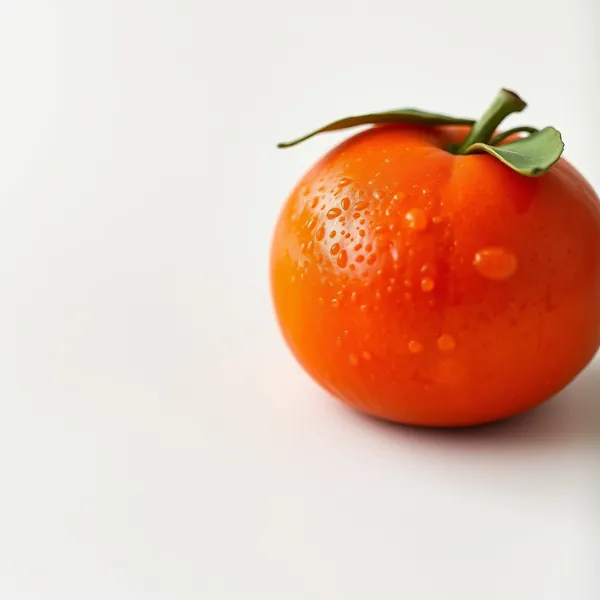 Miagawa SatsumaVSAcai Berry Blend
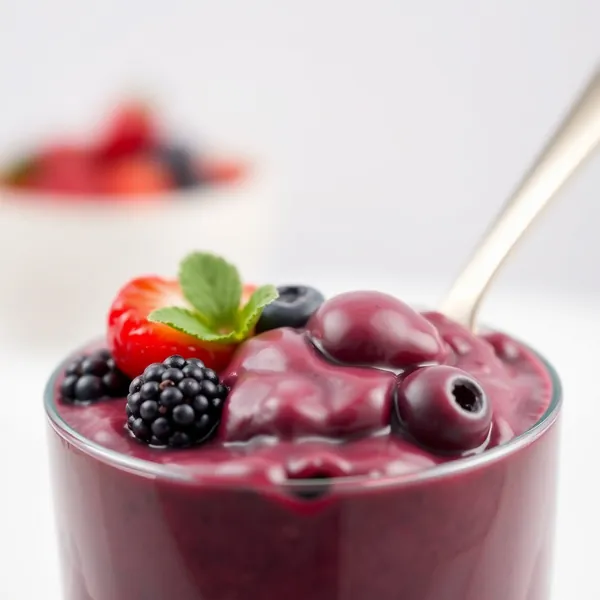 Miagawa SatsumaVSAcerola
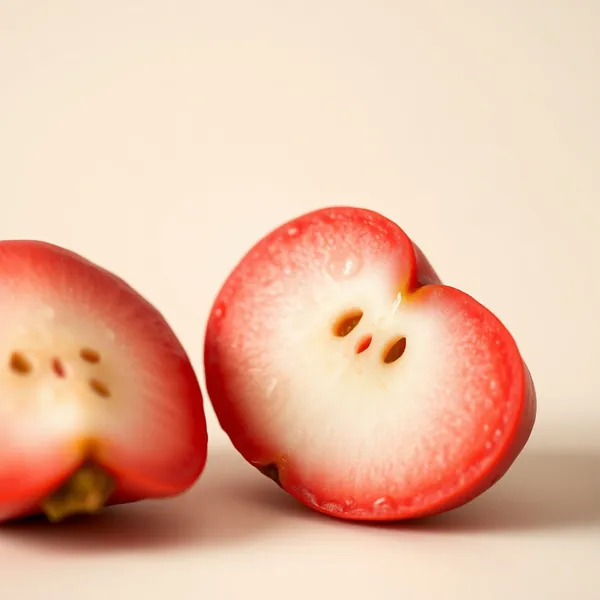 Miagawa SatsumaVSAmerican Black Elderberry
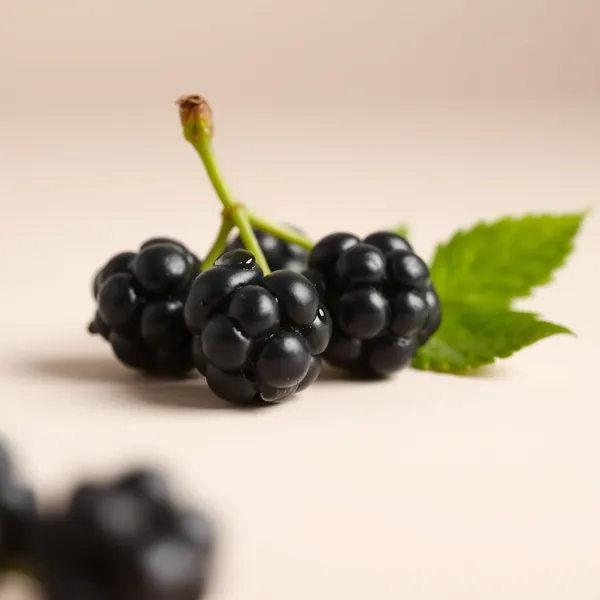 Miagawa SatsumaVSAmerican Bladdernut
 Miagawa SatsumaVSAmerican Elderberry
 Miagawa SatsumaVSAmerican Hackberry
 Miagawa SatsumaVSAmerican Plum
 Miagawa SatsumaVSApple
 Miagawa SatsumaVSApricot
 Miagawa SatsumaVSSweet Moorpack Apricot
Macronutrient Ratio
Caloric distribution of primary energy metrics per 100g
Micronutrient DV% Score
Top vitamins and minerals ranked by percentage of Daily Recommended Value
Complete Micronutrient Breakdown
Detailed concentration of essential micronutrients per 100g serving.
Vitamins
Minerals
Health Benefits
Possible Risks & Side Effects
How to Prepare & Consume
Best enjoyed fresh and raw; can be added to salads or desserts for a sweet citrus flavor.
Smart Selection & Storage
Choose Miagawa Satsuma that are firm, heavy for their size, and have a bright, smooth skin without blemishes.
Store in a cool, dry place or refrigerate to extend shelf life; consume within a week for best flavor.
Myths vs Realities
Healthy Recipes
Miagawa Satsuma Citrus Quinoa Salad
A refreshing and nutritious salad combining the zesty flavor of Miagawa Satsuma with protein-packed quinoa and vibrant vegetables.
- 1 cup cooked quinoa
- 2 Miagawa Satsuma, segmented
- 1/2 cup cherry tomatoes, halved
- 1/4 cup red onion, finely chopped
- 1/4 cup cucumber, diced
- 2 tablespoons olive oil
- 1 tablespoon apple cider vinegar
- Salt and pepper to taste
- 1. In a large bowl, combine cooked quinoa, Miagawa Satsuma segments, cherry tomatoes, red onion, and cucumber.
- 2. In a small bowl, whisk together olive oil, apple cider vinegar, salt, and pepper.
- 3. Drizzle the dressing over the salad, toss gently, and serve chilled.
Miagawa Satsuma and Avocado Toast
A deliciously creamy avocado toast topped with sweet and tangy Miagawa Satsuma slices for a perfect breakfast or snack.
- 2 slices whole-grain bread
- 1 ripe avocado
- 1 Miagawa Satsuma, sliced
- 1 tablespoon lemon juice
- Salt and pepper to taste
- Fresh mint leaves for garnish
- 1. Toast the whole-grain bread until golden brown.
- 2. In a bowl, mash the avocado with lemon juice, salt, and pepper.
- 3. Spread the avocado mixture on the toasted bread and top with Miagawa Satsuma slices and fresh mint leaves.
Miagawa Satsuma Infused Water
A refreshing and hydrating drink infused with the citrusy flavor of Miagawa Satsuma, perfect for staying hydrated throughout the day.
- 1 Miagawa Satsuma, sliced
- 1 liter of water
- Fresh mint leaves
- Ice cubes
- 1. In a large pitcher, combine the sliced Miagawa Satsuma and fresh mint leaves.
- 2. Fill the pitcher with water and add ice cubes.
- 3. Let it infuse in the refrigerator for at least 2 hours before serving.
Miagawa Satsuma Chicken Stir-Fry
A vibrant stir-fry featuring tender chicken breast and colorful vegetables, enhanced with the bright flavor of Miagawa Satsuma.
- 1 pound chicken breast, sliced
- 2 Miagawa Satsuma, juiced
- 1 bell pepper, sliced
- 1 cup broccoli florets
- 2 tablespoons soy sauce
- 1 tablespoon sesame oil
- 1 tablespoon ginger, minced
- 2 cloves garlic, minced
- 1. In a large skillet, heat sesame oil over medium heat and add minced ginger and garlic.
- 2. Add sliced chicken breast and cook until browned, then add bell pepper and broccoli.
- 3. Pour in Miagawa Satsuma juice and soy sauce, stir-fry until vegetables are tender, and serve hot.
Miagawa Satsuma Chia Seed Pudding
A healthy and satisfying dessert made with chia seeds and creamy coconut milk, topped with sweet Miagawa Satsuma segments.
- 1/4 cup chia seeds
- 1 cup coconut milk
- 2 Miagawa Satsuma, segmented
- 1 tablespoon honey or maple syrup
- 1 teaspoon vanilla extract
- 1. In a bowl, mix chia seeds, coconut milk, honey, and vanilla extract.
- 2. Let the mixture sit for 10 minutes, then stir again to prevent clumping.
- 3. Refrigerate for at least 2 hours or overnight, then top with Miagawa Satsuma segments before serving.
Miagawa Satsuma and Spinach Smoothie
A nutrient-packed smoothie blending the sweetness of Miagawa Satsuma with spinach and banana for a refreshing breakfast option.
- 2 Miagawa Satsuma, peeled
- 1 banana
- 1 cup fresh spinach
- 1/2 cup almond milk
- 1 tablespoon flaxseeds
- Ice cubes
- 1. In a blender, combine Miagawa Satsuma, banana, spinach, almond milk, and flaxseeds.
- 2. Blend until smooth, adding ice cubes for a chilled effect.
- 3. Pour into a glass and enjoy immediately.
Miagawa Satsuma and Beet Salad
A colorful and earthy salad featuring roasted beets, peppery arugula, and zesty Miagawa Satsuma dressing.
- 2 cups arugula
- 1 cup roasted beets, diced
- 2 Miagawa Satsuma, juiced
- 2 tablespoons olive oil
- Salt and pepper to taste
- 1/4 cup feta cheese, crumbled
- 1. In a large bowl, combine arugula and roasted beets.
- 2. In a small bowl, whisk together Miagawa Satsuma juice, olive oil, salt, and pepper.
- 3. Drizzle the dressing over the salad, toss gently, and top with crumbled feta cheese.
Miagawa Satsuma Yogurt Parfait
A delightful parfait layered with creamy yogurt, granola, and fresh Miagawa Satsuma for a healthy breakfast or snack.
- 1 cup Greek yogurt
- 1/2 cup granola
- 2 Miagawa Satsuma, segmented
- 1 tablespoon honey
- Mint leaves for garnish
- 1. In a glass, layer Greek yogurt, granola, and Miagawa Satsuma segments.
- 2. Drizzle honey over the top and repeat the layers until the glass is full.
- 3. Garnish with mint leaves and serve immediately.
Miagawa Satsuma Oatmeal Bowl
A warm and comforting oatmeal bowl topped with sweet Miagawa Satsuma, nuts, and a drizzle of honey for a nutritious breakfast.
- 1 cup rolled oats
- 2 cups water or almond milk
- 2 Miagawa Satsuma, segmented
- 1/4 cup chopped nuts
- 1 tablespoon honey
- Cinnamon to taste
- 1. In a saucepan, bring water or almond milk to a boil and add rolled oats.
- 2. Reduce heat and simmer for about 5 minutes until creamy, stirring occasionally.
- 3. Serve topped with Miagawa Satsuma segments, chopped nuts, honey, and a sprinkle of cinnamon.
Frequently Asked Questions (FAQ)
What is the best way to eat Miagawa Satsuma?
The best way to enjoy Miagawa Satsuma is to peel it and eat it fresh. It can also be added to salads or desserts.
How do I store Miagawa Satsuma?
Store Miagawa Satsuma in a cool, dry place or in the refrigerator to maintain freshness.
Are there any health benefits to eating Miagawa Satsuma?
Yes, it is high in Vitamin C and antioxidants, which can boost your immune system and improve skin health.
Can I use Miagawa Satsuma in cooking?
Yes, it can be used in cooking, especially in marinades, dressings, or as a flavoring for desserts.
Is Miagawa Satsuma suitable for children?
Yes, it is a healthy snack option for children due to its sweet taste and nutritional benefits.
How many calories are in Miagawa Satsuma?
There are approximately 47 calories in 100 grams of Miagawa Satsuma.
Can Miagawa Satsuma help with hydration?
Yes, with its high water content, it can help keep you hydrated.
Is it safe to eat the skin of Miagawa Satsuma?
While the skin is edible, it is often best to peel it for a sweeter taste and easier consumption.