
Korean Pine Nut
Pinus koraiensisClinical Encyclopedia
Korean Pine Nut provides 673 kcal, 13.7g of protein, 13.1g of carbohydrates, and 3.7g of fiber per 100g. With a Nutri-Score grade 'B', it is a highly recommended option for nutrient density.
Korean pine nuts are nutrient-dense seeds known for their rich flavor and high oil content, making them a popular ingredient in various cuisines, particularly in Korean dishes.
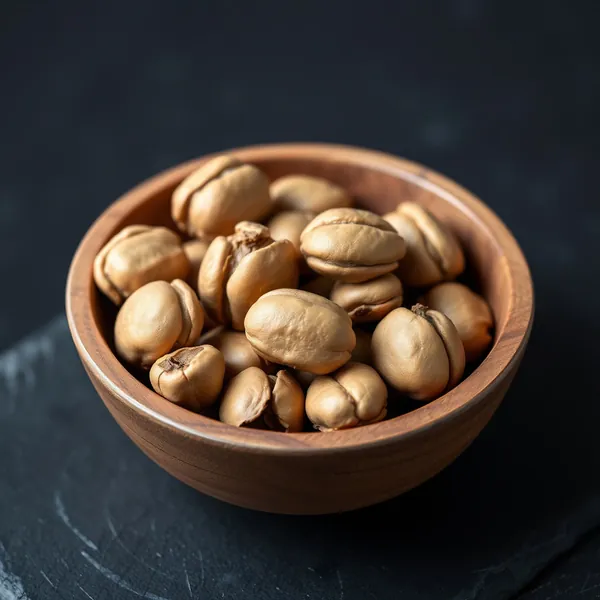 Korean Pine NutVSSweet Acorn Nut
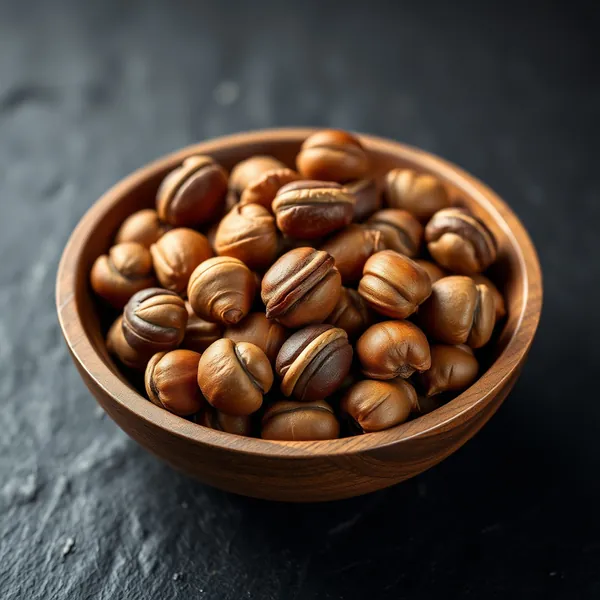 Korean Pine NutVSAcorn Nuts
 Korean Pine NutVSCreamy Unsalted Almond Butter
 Korean Pine NutVSCrunchy Unsalted Almond Butter
 Korean Pine NutVSBlanched Sliced Almonds
 Korean Pine NutVSAlmonds
 Korean Pine NutVSCanary Seed
 Korean Pine NutVSAndean Coigue Seed
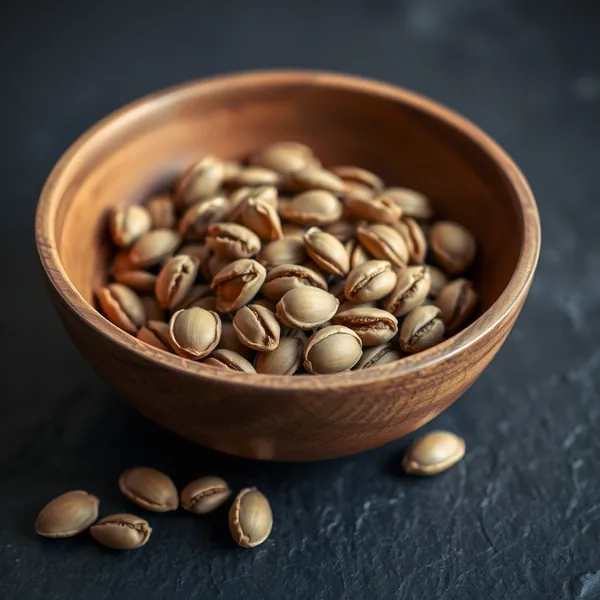 Korean Pine NutVSAnise Seed
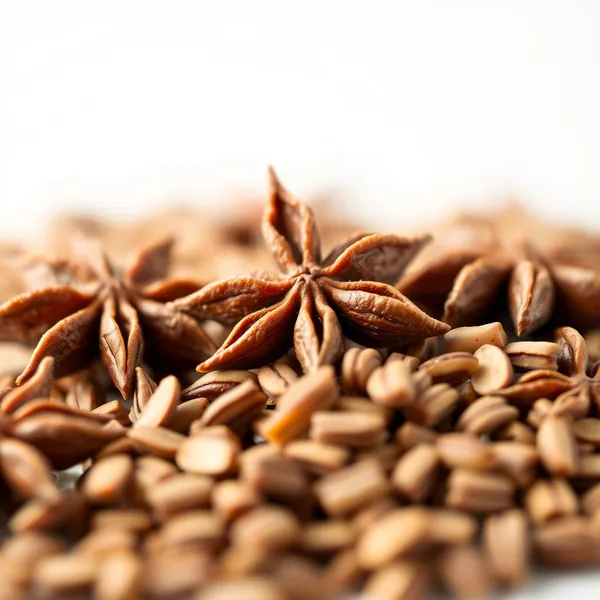 Korean Pine NutVSAnise Seeds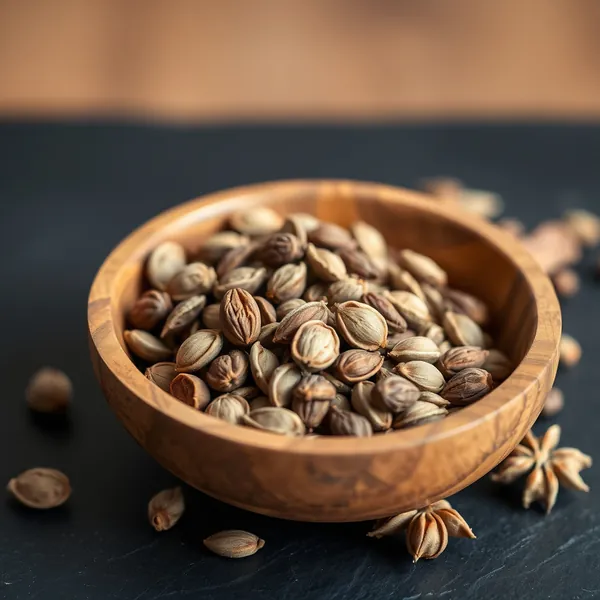
Macronutrient Ratio
Caloric distribution of primary energy metrics per 100g
Micronutrient DV% Score
Top vitamins and minerals ranked by percentage of Daily Recommended Value
Complete Micronutrient Breakdown
Detailed concentration of essential micronutrients per 100g serving.
Vitamins
Minerals
Health Benefits
Possible Risks & Side Effects
How to Prepare & Consume
Best enjoyed raw or lightly toasted to enhance their flavor. Can be added to salads, pesto, or used as a topping for various dishes.
Smart Selection & Storage
Choose pine nuts that are plump and have a light color. Avoid those that are shriveled or have dark spots.
Store in an airtight container in a cool, dark place or refrigerate to prevent rancidity.
Myths vs Realities
Healthy Recipes
Korean Pine Nut and Quinoa Salad
A refreshing salad combining the nutty flavor of Korean pine nuts with protein-packed quinoa and vibrant vegetables.
- 1 cup cooked quinoa
- 1/4 cup Korean pine nuts
- 1/2 cup cherry tomatoes, halved
- 1/2 cucumber, diced
- 1/4 cup red onion, finely chopped
- 2 tablespoons olive oil
- 1 tablespoon lemon juice
- Salt and pepper to taste
- 1. In a large bowl, combine the cooked quinoa, cherry tomatoes, cucumber, and red onion.
- 2. Toast the Korean pine nuts in a dry skillet over medium heat until golden brown, then add to the salad.
- 3. Drizzle with olive oil and lemon juice, season with salt and pepper, and toss to combine.
Korean Pine Nut Pesto Pasta
A healthy twist on traditional pesto using Korean pine nuts, fresh basil, and whole grain pasta for a nutritious meal.
- 2 cups fresh basil leaves
- 1/4 cup Korean pine nuts
- 2 cloves garlic
- 1/4 cup olive oil
- 1/4 cup grated Parmesan cheese
- 8 oz whole grain pasta
- Salt and pepper to taste
- 1. Cook the whole grain pasta according to package instructions and set aside.
- 2. In a food processor, combine basil, Korean pine nuts, garlic, and Parmesan cheese. Blend while slowly adding olive oil until smooth.
- 3. Toss the pasta with the pesto, season with salt and pepper, and serve warm.
Korean Pine Nut Energy Bites
Nutritious energy bites packed with Korean pine nuts, oats, and honey, perfect for a quick snack.
- 1 cup rolled oats
- 1/2 cup Korean pine nuts
- 1/2 cup almond butter
- 1/4 cup honey
- 1/4 cup dark chocolate chips
- 1 teaspoon vanilla extract
- 1. In a large bowl, mix together rolled oats, Korean pine nuts, almond butter, honey, chocolate chips, and vanilla extract.
- 2. Form the mixture into small balls and place them on a baking sheet lined with parchment paper.
- 3. Refrigerate for at least 30 minutes before enjoying.
Korean Pine Nut and Spinach Soup
A wholesome soup featuring Korean pine nuts and fresh spinach, perfect for a light meal or appetizer.
- 4 cups vegetable broth
- 2 cups fresh spinach
- 1/2 cup Korean pine nuts
- 1 onion, chopped
- 2 cloves garlic, minced
- 1 tablespoon olive oil
- Salt and pepper to taste
- 1. In a pot, heat olive oil over medium heat and sauté onion and garlic until translucent.
- 2. Add vegetable broth and bring to a boil. Stir in spinach and Korean pine nuts.
- 3. Simmer for 10 minutes, season with salt and pepper, and serve warm.
Korean Pine Nut and Avocado Toast
A nutritious breakfast option featuring creamy avocado topped with toasted Korean pine nuts on whole grain bread.
- 2 slices whole grain bread
- 1 ripe avocado
- 1/4 cup Korean pine nuts
- 1 tablespoon lemon juice
- Salt and pepper to taste
- 1. Toast the whole grain bread until golden brown.
- 2. In a bowl, mash the avocado with lemon juice, salt, and pepper.
- 3. Spread the avocado mixture on the toast and sprinkle with toasted Korean pine nuts before serving.
Korean Pine Nut Stir-Fry
A vibrant stir-fry featuring seasonal vegetables and Korean pine nuts, served over brown rice for a complete meal.
- 2 cups mixed vegetables (bell peppers, broccoli, carrots)
- 1/2 cup Korean pine nuts
- 2 tablespoons soy sauce
- 1 tablespoon sesame oil
- 2 cups cooked brown rice
- 1. In a large skillet, heat sesame oil over medium heat and add mixed vegetables. Stir-fry until tender.
- 2. Add Korean pine nuts and soy sauce, cooking for an additional 2-3 minutes.
- 3. Serve the stir-fry over cooked brown rice.
Korean Pine Nut Granola
A crunchy granola made with oats, Korean pine nuts, and dried fruits, perfect for breakfast or a snack.
- 2 cups rolled oats
- 1/2 cup Korean pine nuts
- 1/2 cup honey
- 1/4 cup coconut oil
- 1/2 cup dried cranberries
- 1/2 teaspoon cinnamon
- 1. Preheat the oven to 350°F (175°C). In a large bowl, mix oats, Korean pine nuts, honey, coconut oil, and cinnamon.
- 2. Spread the mixture on a baking sheet and bake for 20-25 minutes, stirring halfway through.
- 3. Once cooled, mix in dried cranberries and store in an airtight container.
Korean Pine Nut and Berry Smoothie
A delicious smoothie packed with antioxidants from berries and healthy fats from Korean pine nuts.
- 1 cup mixed berries (fresh or frozen)
- 1/2 banana
- 1/4 cup Korean pine nuts
- 1 cup almond milk
- 1 tablespoon honey (optional)
- 1. In a blender, combine mixed berries, banana, Korean pine nuts, almond milk, and honey.
- 2. Blend until smooth and creamy, adding more almond milk if necessary.
- 3. Pour into a glass and enjoy immediately.
Korean Pine Nut and Sweet Potato Cakes
Savory cakes made with mashed sweet potatoes and Korean pine nuts, perfect as a side dish or appetizer.
- 2 cups mashed sweet potatoes
- 1/2 cup Korean pine nuts
- 1/4 cup whole wheat flour
- 1 egg
- 1 teaspoon garlic powder
- Salt and pepper to taste
- 1. In a bowl, combine mashed sweet potatoes, Korean pine nuts, flour, egg, garlic powder, salt, and pepper.
- 2. Form the mixture into small patties and cook in a skillet over medium heat until golden brown on both sides.
- 3. Serve warm with a dipping sauce of your choice.
Korean Pine Nut and Cucumber Sushi Rolls
A healthy sushi roll filled with fresh vegetables and crunchy Korean pine nuts, perfect for a light meal.
- 1 cup sushi rice
- 2 sheets nori
- 1/2 cucumber, julienned
- 1/4 cup Korean pine nuts
- 1 avocado, sliced
- Soy sauce for dipping
- 1. Cook sushi rice according to package instructions and let it cool.
- 2. Lay a sheet of nori on a bamboo mat, spread a thin layer of rice, and top with cucumber, avocado, and Korean pine nuts.
- 3. Roll tightly, slice into pieces, and serve with soy sauce for dipping.
Frequently Asked Questions (FAQ)
What are the health benefits of Korean pine nuts?
Korean pine nuts are rich in healthy fats, protein, vitamins, and minerals, which can support heart health, provide energy, and aid in weight management.
How should I store Korean pine nuts?
Store them in an airtight container in a cool, dark place or refrigerate to extend their shelf life.
Can I eat Korean pine nuts raw?
Yes, they can be eaten raw and are often used in salads and snacks.
Are Korean pine nuts safe for everyone?
While generally safe, those with nut allergies should avoid them.
How do Korean pine nuts compare to other nuts?
They are higher in fat and calories but also provide unique flavors and nutrients not found in many other nuts.
What dishes can I make with Korean pine nuts?
They can be used in pesto, salads, baked goods, and as toppings for various dishes.
Do Korean pine nuts have any side effects?
In moderation, they are safe; however, excessive consumption may cause digestive issues.
How can I incorporate Korean pine nuts into my diet?
Add them to smoothies, salads, or use them in cooking to enhance flavor and nutrition.