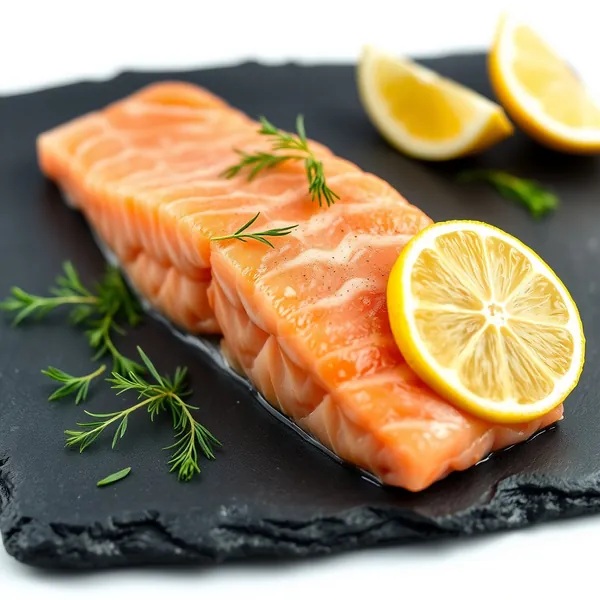
Wild Chinook Salmon
Oncorhynchus tshawytschaClinical Encyclopedia
Wild Chinook Salmon is a nutrient-dense fish known for its rich flavor and high omega-3 fatty acid content, making it a popular choice for health-conscious consumers.
Macronutrient Ratio
Caloric distribution of primary energy metrics per 100g
Micronutrient DV% Score
Top vitamins and minerals ranked by percentage of Daily Recommended Value
Health Benefits
Possible Risks & Side Effects
How to Prepare & Consume
Best enjoyed grilled, baked, or poached. Avoid overcooking to preserve moisture and flavor.
Smart Selection & Storage
Look for bright, moist flesh with a fresh ocean smell. Avoid any fish with a dull appearance or strong fishy odor.
Keep wild Chinook salmon refrigerated at 32°F (0°C) and consume within 1-2 days, or freeze for up to 6 months.
Myths vs Realities
MythAll salmon is the same nutritionally.+
MythYou should avoid fish due to mercury concerns.+
MythCooking salmon destroys all its nutrients.+
Healthy Recipes
Citrus Herb Grilled Wild Chinook Salmon
This vibrant dish features wild Chinook salmon marinated in a zesty citrus herb blend, grilled to perfection for a refreshing and healthy meal.
- 2 fillets of wild Chinook salmon
- 1 orange, juiced
- 1 lemon, juiced
- 2 tablespoons olive oil
- 2 cloves garlic, minced
- 1 tablespoon fresh dill, chopped
- Salt and pepper to taste
- 1. In a bowl, whisk together orange juice, lemon juice, olive oil, garlic, dill, salt, and pepper.
- 2. Place the salmon fillets in the marinade and let them sit for at least 30 minutes.
- 3. Preheat the grill to medium-high heat and grill the salmon for 4-5 minutes on each side until cooked through.
Wild Chinook Salmon Quinoa Bowl
A nutritious quinoa bowl topped with seared wild Chinook salmon, fresh vegetables, and a tangy tahini dressing for a wholesome meal.
- 1 cup cooked quinoa
- 1 fillet of wild Chinook salmon
- 1 cup spinach
- 1/2 cup cherry tomatoes, halved
- 1/4 cucumber, diced
- 2 tablespoons tahini
- 1 tablespoon lemon juice
- Salt and pepper to taste
- 1. Season the salmon with salt and pepper, then sear in a hot skillet for 4-5 minutes on each side.
- 2. In a bowl, combine cooked quinoa, spinach, cherry tomatoes, and cucumber.
- 3. Drizzle with tahini and lemon juice, then top with the seared salmon before serving.
Baked Wild Chinook Salmon with Avocado Salsa
Oven-baked wild Chinook salmon served with a refreshing avocado salsa, making for a light and flavorful dish.
- 2 fillets of wild Chinook salmon
- 1 avocado, diced
- 1/2 red onion, finely chopped
- 1 jalapeño, minced
- 1 lime, juiced
- Salt and pepper to taste
- 1. Preheat the oven to 375°F (190°C) and season the salmon with salt and pepper.
- 2. Bake the salmon for 15-20 minutes until flaky.
- 3. In a bowl, combine avocado, red onion, jalapeño, lime juice, salt, and pepper. Serve salsa over the baked salmon.
Wild Chinook Salmon Tacos with Mango Salsa
Delicious wild Chinook salmon tacos topped with a sweet and spicy mango salsa, perfect for a healthy twist on taco night.
- 2 fillets of wild Chinook salmon
- 4 corn tortillas
- 1 mango, diced
- 1/2 red bell pepper, diced
- 1/4 red onion, chopped
- 1 tablespoon cilantro, chopped
- Juice of 1 lime
- Salt to taste
- 1. Season the salmon with salt and grill for 5-7 minutes on each side until cooked through.
- 2. In a bowl, mix mango, red bell pepper, red onion, cilantro, lime juice, and salt to make the salsa.
- 3. Warm the tortillas, fill them with salmon, and top with mango salsa before serving.
Wild Chinook Salmon and Asparagus Stir-Fry
A quick and healthy stir-fry featuring wild Chinook salmon and crisp asparagus, tossed in a light soy-ginger sauce.
- 1 fillet of wild Chinook salmon, cubed
- 1 bunch asparagus, trimmed and cut into pieces
- 2 tablespoons soy sauce
- 1 tablespoon ginger, grated
- 2 cloves garlic, minced
- 1 tablespoon sesame oil
- 1. Heat sesame oil in a pan over medium heat, add garlic and ginger, and sauté for 1 minute.
- 2. Add cubed salmon and asparagus, stir-frying for about 5-7 minutes until salmon is cooked through.
- 3. Drizzle with soy sauce and serve hot.
Wild Chinook Salmon Salad with Lemon Vinaigrette
A light and refreshing salad featuring grilled wild Chinook salmon on a bed of mixed greens, drizzled with a homemade lemon vinaigrette.
- 1 fillet of wild Chinook salmon
- 4 cups mixed greens
- 1/2 cup cherry tomatoes, halved
- 1/4 cucumber, sliced
- 2 tablespoons olive oil
- Juice of 1 lemon
- Salt and pepper to taste
- 1. Season the salmon with salt and pepper and grill for 5-7 minutes until cooked through.
- 2. In a bowl, whisk together olive oil, lemon juice, salt, and pepper for the vinaigrette.
- 3. Toss mixed greens, cherry tomatoes, and cucumber with the vinaigrette, top with grilled salmon, and serve.
Wild Chinook Salmon and Sweet Potato Cakes
Savory cakes made from wild Chinook salmon and sweet potatoes, baked for a healthy and satisfying meal.
- 1 fillet of wild Chinook salmon, cooked and flaked
- 1 cup mashed sweet potatoes
- 1/4 cup breadcrumbs
- 1 egg
- 1 tablespoon green onions, chopped
- Salt and pepper to taste
- 1. Preheat the oven to 400°F (200°C) and mix flaked salmon, mashed sweet potatoes, breadcrumbs, egg, green onions, salt, and pepper in a bowl.
- 2. Form the mixture into patties and place on a baking sheet.
- 3. Bake for 20-25 minutes until golden brown, flipping halfway through.
Wild Chinook Salmon Pesto Pasta
Whole grain pasta tossed with wild Chinook salmon and a fresh basil pesto, creating a nutritious and flavorful dish.
- 2 fillets of wild Chinook salmon
- 8 oz whole grain pasta
- 1 cup basil pesto
- 1 cup cherry tomatoes, halved
- Salt and pepper to taste
- 1. Cook the pasta according to package instructions and drain.
- 2. Season the salmon with salt and pepper, then grill or bake until cooked through.
- 3. In a large bowl, combine pasta, pesto, cherry tomatoes, and flaked salmon, tossing to combine before serving.
Spicy Wild Chinook Salmon Sushi Rolls
Homemade sushi rolls featuring wild Chinook salmon and spicy mayo, perfect for a healthy and fun meal.
- 1 fillet of wild Chinook salmon, sliced
- 2 cups sushi rice, cooked
- 4 sheets nori
- 1 avocado, sliced
- 2 tablespoons mayonnaise
- 1 teaspoon sriracha
- Soy sauce for serving
- 1. Mix mayonnaise and sriracha to create spicy mayo.
- 2. Lay a sheet of nori on a bamboo mat, spread a layer of sushi rice, and top with salmon and avocado.
- 3. Roll tightly, slice into pieces, and serve with soy sauce and spicy mayo.
Wild Chinook Salmon and Broccoli Frittata
A protein-packed frittata featuring wild Chinook salmon and broccoli, perfect for a healthy breakfast or brunch.
- 1 fillet of wild Chinook salmon, cooked and flaked
- 6 eggs
- 1 cup broccoli florets, steamed
- 1/4 cup milk
- Salt and pepper to taste
- 1 tablespoon olive oil
- 1. Preheat the oven to 375°F (190°C) and whisk together eggs, milk, salt, and pepper in a bowl.
- 2. In an oven-safe skillet, heat olive oil, add flaked salmon and broccoli, then pour the egg mixture over.
- 3. Cook on the stovetop for 2-3 minutes, then transfer to the oven and bake for 15-20 minutes until set.
Frequently Asked Questions (FAQ)
What are the health benefits of eating wild Chinook salmon?
Wild Chinook salmon is rich in omega-3 fatty acids, which can help reduce inflammation, lower blood pressure, and improve heart health.
How often should I eat wild Chinook salmon?
It is generally recommended to consume fatty fish like wild Chinook salmon at least twice a week for optimal health benefits.
Is wild Chinook salmon sustainable?
Wild Chinook salmon populations are managed through regulations, but it's important to check for certifications like MSC to ensure sustainability.
Can I eat the skin of wild Chinook salmon?
Yes, the skin is edible and contains healthy fats, but it should be properly cleaned and cooked.
How should I store wild Chinook salmon?
Store fresh wild Chinook salmon in the refrigerator and consume within 1-2 days, or freeze for longer storage.
What is the best way to cook wild Chinook salmon?
Grilling or baking at moderate temperatures is recommended to retain moisture and flavor.
Does wild Chinook salmon contain mercury?
Like many fish, wild Chinook salmon can contain trace amounts of mercury, but it is generally considered safe to eat in moderation.
What is the difference between wild and farmed Chinook salmon?
Wild Chinook salmon typically has a richer flavor and higher omega-3 content compared to farmed varieties, which may have added fats and lower nutritional value.