
Water Chestnut
Trapa natansClinical Encyclopedia
Water Chestnut provides 97 kcal, 2.5g of protein, 23.5g of carbohydrates, and 4g of fiber per 100g. With a Nutri-Score grade 'A', it is a highly recommended option for nutrient density.
Trapa, commonly known as water chestnut, is an aquatic vegetable known for its crunchy texture and sweet, nutty flavor. It is rich in nutrients and has been used in traditional medicine for its health benefits.
 Water ChestnutVSAcai Berry Blend
 Water ChestnutVSAcerola
 Water ChestnutVSAmerican Black Elderberry
 Water ChestnutVSAmerican Bladdernut
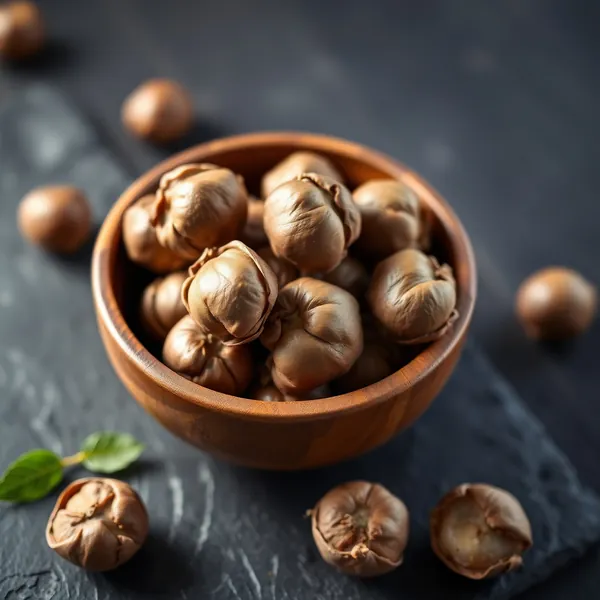 Water ChestnutVSAmerican Elderberry
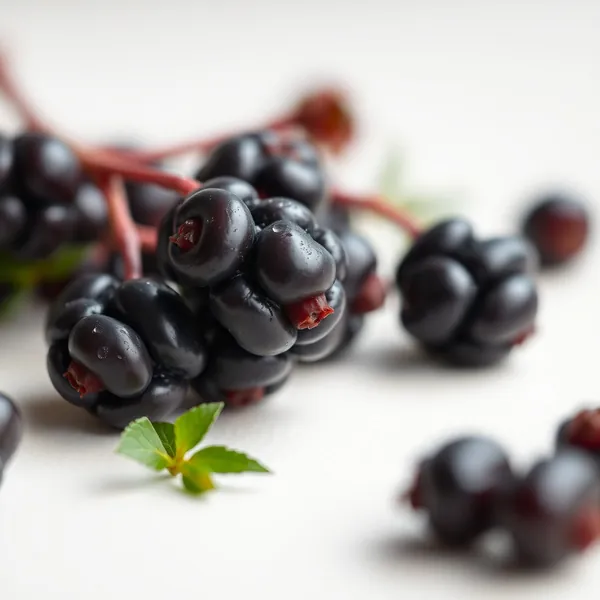 Water ChestnutVSAmerican Hackberry
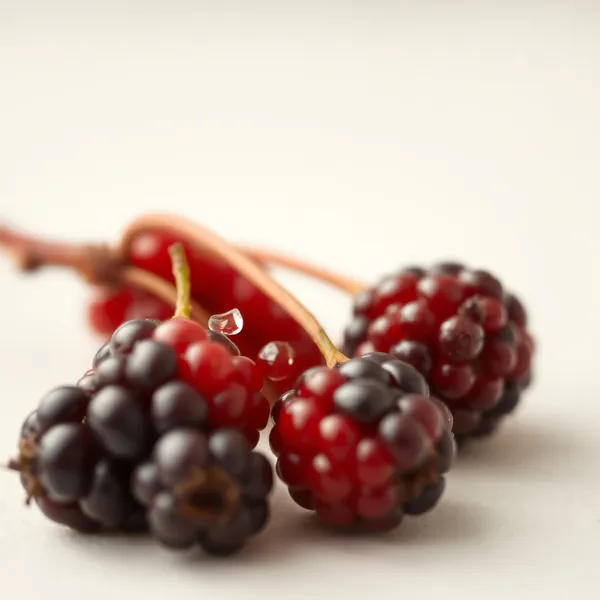 Water ChestnutVSAmerican Plum
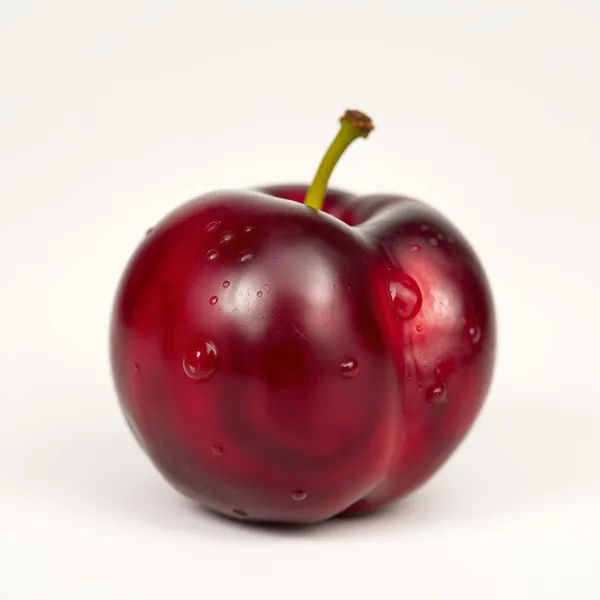 Water ChestnutVSApple
 Water ChestnutVSApricot
 Water ChestnutVSSweet Moorpack Apricot
Macronutrient Ratio
Caloric distribution of primary energy metrics per 100g
Micronutrient DV% Score
Top vitamins and minerals ranked by percentage of Daily Recommended Value
Complete Micronutrient Breakdown
Detailed concentration of essential micronutrients per 100g serving.
Vitamins
Minerals
Health Benefits
Possible Risks & Side Effects
How to Prepare & Consume
Trapa can be eaten raw in salads or cooked in stir-fries. It is best to peel the outer layer before consumption.
Smart Selection & Storage
Choose Trapa that is firm and free from blemishes or soft spots. Fresh Trapa should have a crisp texture.
Store in a cool, dry place or refrigerate in a sealed container to maintain freshness for up to a week.
Myths vs Realities
Healthy Recipes
Water Chestnut and Quinoa Salad
A refreshing salad combining crunchy water chestnuts with protein-packed quinoa, vibrant vegetables, and a zesty lemon dressing.
- 1 cup cooked quinoa
- 1 cup diced water chestnuts
- 1/2 cup cherry tomatoes, halved
- 1/2 cucumber, diced
- 1/4 cup red onion, finely chopped
- 2 tablespoons olive oil
- 1 tablespoon lemon juice
- Salt and pepper to taste
- 1. In a large bowl, combine cooked quinoa, water chestnuts, cherry tomatoes, cucumber, and red onion.
- 2. In a small bowl, whisk together olive oil, lemon juice, salt, and pepper.
- 3. Pour the dressing over the salad and toss to combine before serving.
Stir-Fried Water Chestnuts with Broccoli
A quick and nutritious stir-fry featuring crispy water chestnuts and tender broccoli, perfect as a side dish or a light meal.
- 1 cup sliced water chestnuts
- 2 cups broccoli florets
- 2 tablespoons soy sauce
- 1 tablespoon sesame oil
- 2 cloves garlic, minced
- 1 teaspoon ginger, grated
- Sesame seeds for garnish
- 1. Heat sesame oil in a skillet over medium heat and add garlic and ginger, sautéing until fragrant.
- 2. Add broccoli florets and stir-fry for 3-4 minutes until bright green.
- 3. Stir in water chestnuts and soy sauce, cooking for another 2 minutes before serving, garnished with sesame seeds.
Water Chestnut and Avocado Sushi Rolls
Delicious sushi rolls filled with creamy avocado and crunchy water chestnuts, offering a unique twist on traditional sushi.
- 1 cup sushi rice
- 1 1/4 cups water
- 4 sheets nori
- 1 avocado, sliced
- 1 cup diced water chestnuts
- Soy sauce for dipping
- 1. Rinse sushi rice under cold water until the water runs clear, then cook with water according to package instructions.
- 2. Lay a sheet of nori on a bamboo mat, spread a thin layer of rice, and arrange avocado and water chestnuts on top.
- 3. Roll tightly, slice into pieces, and serve with soy sauce.
Spicy Water Chestnut and Chickpea Patties
These protein-packed patties combine water chestnuts and chickpeas, seasoned with spices for a healthy snack or meal option.
- 1 cup canned chickpeas, drained
- 1 cup diced water chestnuts
- 1/2 cup breadcrumbs
- 1 teaspoon cumin
- 1 teaspoon paprika
- 1 egg
- Salt and pepper to taste
- Olive oil for frying
- 1. In a bowl, mash chickpeas and mix in water chestnuts, breadcrumbs, cumin, paprika, egg, salt, and pepper.
- 2. Form mixture into patties and heat olive oil in a skillet.
- 3. Cook patties for 4-5 minutes on each side until golden brown and serve hot.
Water Chestnut and Cucumber Gazpacho
A light and refreshing cold soup made with water chestnuts, cucumber, and herbs, perfect for hot summer days.
- 1 cup diced water chestnuts
- 1 large cucumber, peeled and diced
- 1 cup vegetable broth
- 1 tablespoon olive oil
- 1 tablespoon lemon juice
- Fresh herbs (basil or mint) for garnish
- Salt and pepper to taste
- 1. Blend water chestnuts, cucumber, vegetable broth, olive oil, lemon juice, salt, and pepper until smooth.
- 2. Chill in the refrigerator for at least 30 minutes.
- 3. Serve cold, garnished with fresh herbs.
Water Chestnut and Spinach Stuffed Chicken Breast
Juicy chicken breasts stuffed with a savory mixture of water chestnuts, spinach, and herbs, creating a flavorful and healthy main dish.
- 4 boneless chicken breasts
- 1 cup chopped spinach
- 1/2 cup diced water chestnuts
- 1/4 cup cream cheese
- 1 teaspoon garlic powder
- Salt and pepper to taste
- Olive oil for cooking
- 1. Preheat the oven to 375°F (190°C).
- 2. In a bowl, mix spinach, water chestnuts, cream cheese, garlic powder, salt, and pepper.
- 3. Cut a pocket in each chicken breast, stuff with the mixture, and secure with toothpicks. Sear in olive oil, then bake for 20-25 minutes.
Water Chestnut and Sweet Potato Hash
A hearty breakfast hash featuring diced sweet potatoes and water chestnuts, topped with a fried egg for a nutritious start to your day.
- 1 large sweet potato, diced
- 1 cup diced water chestnuts
- 1/2 onion, chopped
- 2 tablespoons olive oil
- 4 eggs
- Salt and pepper to taste
- Chopped parsley for garnish
- 1. Heat olive oil in a skillet and sauté onion until translucent.
- 2. Add sweet potatoes and water chestnuts, cooking until sweet potatoes are tender and crispy.
- 3. Fry eggs in a separate pan and serve on top of the hash, garnished with parsley.
Water Chestnut and Carrot Slaw
A crunchy slaw made with shredded carrots and water chestnuts, tossed in a light vinaigrette for a perfect side dish.
- 2 cups shredded carrots
- 1 cup diced water chestnuts
- 1/4 cup apple cider vinegar
- 2 tablespoons olive oil
- 1 tablespoon honey
- Salt and pepper to taste
- 1. In a large bowl, combine shredded carrots and water chestnuts.
- 2. In a small bowl, whisk together vinegar, olive oil, honey, salt, and pepper.
- 3. Pour dressing over the slaw and toss to combine before serving.
Water Chestnut and Tofu Stir-Fry
A vibrant stir-fry with tofu, water chestnuts, and colorful vegetables, served over brown rice for a wholesome meal.
- 1 block firm tofu, cubed
- 1 cup sliced water chestnuts
- 1 bell pepper, sliced
- 1 cup snap peas
- 2 tablespoons soy sauce
- 1 tablespoon sesame oil
- Cooked brown rice for serving
- 1. Heat sesame oil in a wok and add cubed tofu, frying until golden brown.
- 2. Add water chestnuts, bell pepper, and snap peas, stir-frying for 3-4 minutes.
- 3. Stir in soy sauce and serve over brown rice.
Water Chestnut and Coconut Curry
A creamy coconut curry featuring water chestnuts and vegetables, served with quinoa or brown rice for a satisfying meal.
- 1 can coconut milk
- 1 cup diced water chestnuts
- 1 cup mixed vegetables (bell peppers, peas, carrots)
- 2 tablespoons curry paste
- 1 tablespoon olive oil
- Salt to taste
- Cooked quinoa or brown rice for serving
- 1. Heat olive oil in a pot and add curry paste, cooking for 1 minute.
- 2. Stir in coconut milk, water chestnuts, and mixed vegetables, simmering for 10-15 minutes.
- 3. Serve hot over quinoa or brown rice.
Frequently Asked Questions (FAQ)
What are the health benefits of Trapa?
Trapa is rich in antioxidants, fiber, and essential nutrients, promoting digestive health, reducing oxidative stress, and supporting overall wellness.
How can I incorporate Trapa into my diet?
Trapa can be enjoyed raw in salads, cooked in stir-fries, or added to soups for a crunchy texture.
Is Trapa safe for everyone to eat?
While generally safe, individuals with nut allergies should consult a healthcare professional before consuming Trapa.
How should I store Trapa?
Store fresh Trapa in a cool, dry place or refrigerate it in a sealed container to maintain freshness.
Can Trapa be eaten raw?
Yes, Trapa can be eaten raw, providing a crunchy texture and sweet flavor.
What is the glycemic index of Trapa?
Trapa has a glycemic index of 50, making it a moderate choice for those monitoring blood sugar levels.
How does Trapa compare to other vegetables?
Trapa is unique due to its aquatic nature and high water content, offering a different texture and flavor profile compared to terrestrial vegetables.
Are there any side effects of eating Trapa?
Excessive consumption may lead to digestive discomfort due to its high fiber content.