
Taro Root
Colocasia esculentaClinical Encyclopedia
Taro Root provides 142 kcal, 1.5g of protein, 34.6g of carbohydrates, and 5.1g of fiber per 100g. With a Nutri-Score grade 'A', it is a highly recommended option for nutrient density.
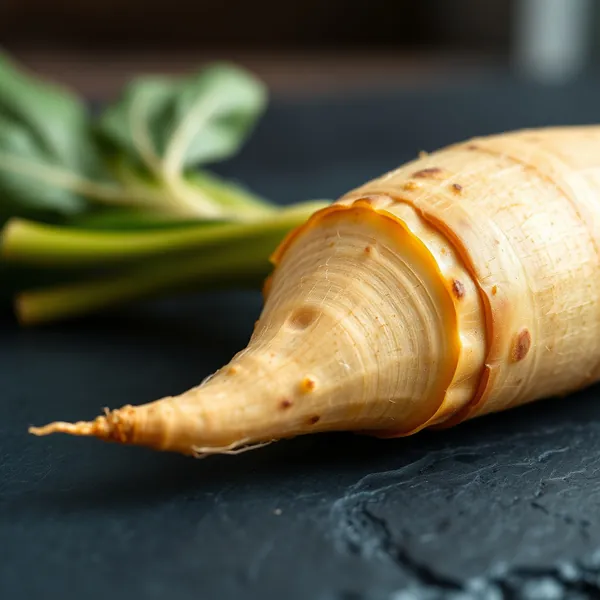
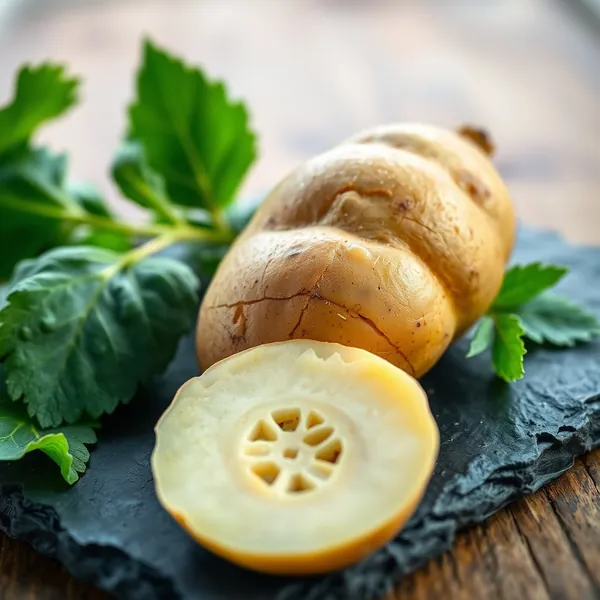
Taro root is a starchy tuber known for its nutty flavor and creamy texture. It is rich in carbohydrates and dietary fiber, making it a popular ingredient in various cuisines worldwide.






Macronutrient Ratio
Caloric distribution of primary energy metrics per 100g
Micronutrient DV% Score
Top vitamins and minerals ranked by percentage of Daily Recommended Value
Complete Micronutrient Breakdown
Detailed concentration of essential micronutrients per 100g serving.
Vitamins
Minerals
Health Benefits
Possible Risks & Side Effects
How to Prepare & Consume
Taro root should be peeled and cooked thoroughly before eating. It can be boiled, steamed, or roasted to enhance its flavor and texture.
Smart Selection & Storage
Choose firm, heavy taro roots with no soft spots or blemishes. The skin should be intact and free from mold.
Store in a cool, dry place. Once cut, wrap in plastic and refrigerate to maintain freshness.
Myths vs Realities
Healthy Recipes
Taro Root and Quinoa Salad
This vibrant salad combines roasted taro root with protein-packed quinoa and fresh vegetables for a nutritious meal.
- 1 cup cooked quinoa
- 1 medium taro root, peeled and cubed
- 1 cup cherry tomatoes, halved
- 1 cucumber, diced
- 2 tablespoons olive oil
- 1 tablespoon lemon juice
- Salt and pepper to taste
- 1. Preheat the oven to 400°F (200°C).
- 2. Toss the cubed taro root with olive oil, salt, and pepper, then roast for 25-30 minutes until golden.
- 3. In a large bowl, combine the cooked quinoa, roasted taro, cherry tomatoes, cucumber, and lemon juice. Mix well and serve.
Spicy Taro Root Stir-Fry
A quick and flavorful stir-fry featuring taro root, bell peppers, and a spicy ginger sauce for a healthy dinner option.
- 1 medium taro root, peeled and sliced
- 1 red bell pepper, sliced
- 1 green bell pepper, sliced
- 2 tablespoons soy sauce
- 1 tablespoon grated ginger
- 1 tablespoon sesame oil
- 2 green onions, chopped
- 1. Heat sesame oil in a pan over medium heat.
- 2. Add sliced taro root and stir-fry for 5-7 minutes until tender.
- 3. Add bell peppers, ginger, and soy sauce; stir-fry for an additional 3-4 minutes. Garnish with green onions before serving.
Taro Root and Coconut Soup
A creamy and comforting soup made with taro root and coconut milk, perfect for a light lunch or dinner.
- 2 medium taro roots, peeled and diced
- 1 can coconut milk
- 2 cups vegetable broth
- 1 tablespoon lime juice
- 1 teaspoon curry powder
- Salt to taste
- 1. In a pot, combine taro root, vegetable broth, and curry powder; bring to a boil.
- 2. Reduce heat and simmer for 15-20 minutes until taro is tender.
- 3. Blend the mixture until smooth, stir in coconut milk and lime juice, and season with salt before serving.
Taro Root Pancakes
These fluffy pancakes made with taro root are a delicious and healthy breakfast option, packed with nutrients.
- 1 cup grated taro root
- 1 cup whole wheat flour
- 1 cup almond milk
- 1 tablespoon baking powder
- 1 tablespoon maple syrup
- 1/2 teaspoon salt
- 1. In a bowl, mix grated taro, flour, baking powder, and salt.
- 2. Add almond milk and maple syrup; stir until combined.
- 3. Heat a non-stick skillet over medium heat and pour batter to form pancakes. Cook until bubbles form, then flip and cook until golden brown.
Taro Root Chips with Avocado Dip
Crispy taro root chips served with a creamy avocado dip make for a healthy and satisfying snack.
- 2 medium taro roots, thinly sliced
- 2 tablespoons olive oil
- Salt to taste
- 1 ripe avocado
- 1 tablespoon lime juice
- 1 tablespoon chopped cilantro
- 1. Preheat the oven to 375°F (190°C).
- 2. Toss taro slices with olive oil and salt, then spread on a baking sheet.
- 3. Bake for 20-25 minutes until crispy. For the dip, mash avocado with lime juice and cilantro; serve with chips.
Taro Root and Spinach Fritters
These savory fritters combine taro root and spinach, making for a nutritious appetizer or side dish.
- 1 cup grated taro root
- 1 cup fresh spinach, chopped
- 1/2 cup chickpea flour
- 1/4 teaspoon turmeric
- Salt and pepper to taste
- Oil for frying
- 1. In a bowl, mix grated taro, spinach, chickpea flour, turmeric, salt, and pepper.
- 2. Heat oil in a skillet over medium heat.
- 3. Drop spoonfuls of the mixture into the skillet and fry until golden brown on both sides.
Taro Root and Lentil Curry
A hearty and flavorful curry featuring taro root and lentils, perfect for a filling and nutritious meal.
- 1 medium taro root, diced
- 1 cup cooked lentils
- 1 can coconut milk
- 1 tablespoon curry powder
- 1 onion, chopped
- 2 cloves garlic, minced
- Salt to taste
- 1. In a pot, sauté onion and garlic until translucent.
- 2. Add diced taro, lentils, coconut milk, and curry powder; bring to a simmer.
- 3. Cook for 20-25 minutes until taro is tender, season with salt, and serve hot.
Taro Root Smoothie Bowl
A nutritious smoothie bowl made with taro root, banana, and almond milk, topped with fresh fruits and seeds.
- 1 cup cooked taro root
- 1 banana
- 1 cup almond milk
- 1 tablespoon chia seeds
- Fresh fruits for topping (e.g., berries, kiwi)
- Granola for topping
- 1. Blend cooked taro, banana, and almond milk until smooth.
- 2. Pour into a bowl and top with fresh fruits, chia seeds, and granola before serving.
Baked Taro Root and Vegetable Casserole
A comforting casserole featuring layers of taro root and seasonal vegetables, topped with a light cheese crust.
- 2 medium taro roots, thinly sliced
- 1 zucchini, sliced
- 1 bell pepper, chopped
- 1 cup low-fat cheese
- 1 tablespoon olive oil
- Salt and pepper to taste
- 1. Preheat the oven to 375°F (190°C).
- 2. Layer taro, zucchini, and bell pepper in a baking dish, drizzling with olive oil and seasoning with salt and pepper.
- 3. Top with cheese and bake for 30-35 minutes until golden and bubbly.
Taro Root and Black Bean Tacos
These delicious tacos feature seasoned taro root and black beans, served in corn tortillas for a healthy twist.
- 1 medium taro root, diced
- 1 can black beans, rinsed
- 1 tablespoon taco seasoning
- Corn tortillas
- Fresh cilantro for garnish
- Lime wedges for serving
- 1. In a skillet, cook diced taro with taco seasoning until tender.
- 2. Add black beans and heat through.
- 3. Serve in corn tortillas, garnished with cilantro and lime wedges.
Frequently Asked Questions (FAQ)
Is taro root safe to eat raw?
No, taro root should always be cooked before consumption to eliminate harmful compounds.
How do I store taro root?
Store taro root in a cool, dry place, away from direct sunlight. Once cut, wrap it tightly and refrigerate.
What are the health benefits of taro root?
Taro root is high in fiber, potassium, and antioxidants, promoting digestive health and heart health.
Can taro root be used in desserts?
Yes, taro root can be used in desserts like taro ice cream or cakes, providing a unique flavor.
How do I cook taro root?
Taro root can be boiled, steamed, or roasted. Boiling is the most common method.
Is taro root gluten-free?
Yes, taro root is naturally gluten-free, making it suitable for those with gluten intolerance.
What does taro root taste like?
Taro root has a mild, nutty flavor with a creamy texture when cooked.
Can I freeze taro root?
Yes, cooked taro root can be frozen for later use, but raw taro root is not recommended for freezing.