
Taro Leaves
Colocasia esculentaClinical Encyclopedia
Taro Leaves provides 73 kcal, 3.2g of protein, 15.1g of carbohydrates, and 4g of fiber per 100g. With a Nutri-Score grade 'A', it is a highly recommended option for nutrient density.
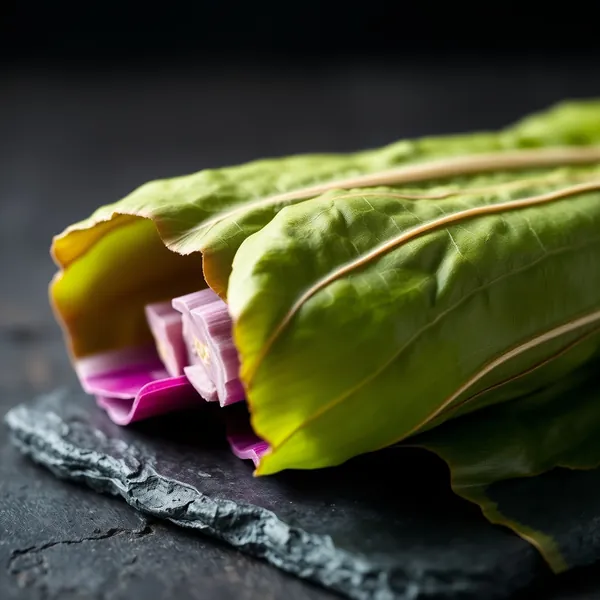
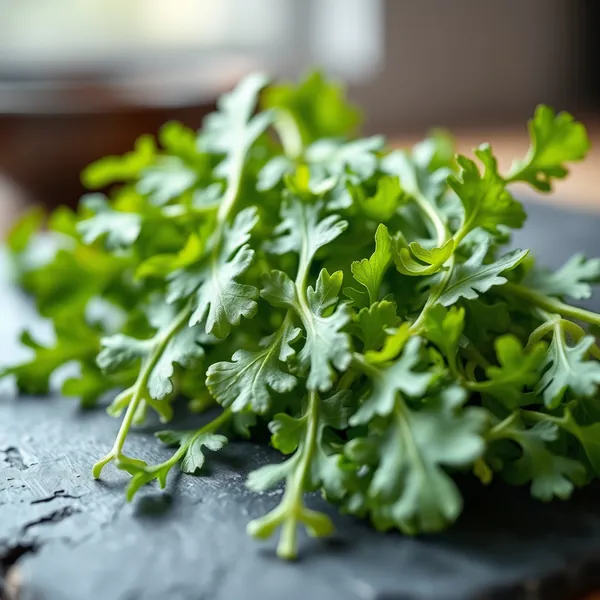
Taro leaves are a nutrient-rich leafy green vegetable that are commonly used in various cuisines, particularly in Asian and Pacific Islander dishes. They are known for their high fiber content and are a good source of vitamins A and C.





Macronutrient Ratio
Caloric distribution of primary energy metrics per 100g
Micronutrient DV% Score
Top vitamins and minerals ranked by percentage of Daily Recommended Value
Complete Micronutrient Breakdown
Detailed concentration of essential micronutrients per 100g serving.
Vitamins
Minerals
Health Benefits
Possible Risks & Side Effects
How to Prepare & Consume
Taro leaves should be thoroughly cooked before consumption to neutralize harmful compounds. They can be steamed, boiled, or used in soups and stews.
Smart Selection & Storage
Choose fresh, vibrant green taro leaves without any yellowing or wilting.
Store in the refrigerator in a sealed bag to maintain freshness for up to a week.
Myths vs Realities
Healthy Recipes
Taro Leaf and Chickpea Salad
A refreshing salad combining nutrient-rich taro leaves with protein-packed chickpeas, perfect for a light lunch or dinner.
- 2 cups fresh taro leaves, chopped
- 1 cup canned chickpeas, rinsed and drained
- 1/2 cup cherry tomatoes, halved
- 1/4 cup red onion, finely chopped
- 2 tablespoons olive oil
- 1 tablespoon lemon juice
- Salt and pepper to taste
- 1. In a large bowl, combine chopped taro leaves, chickpeas, cherry tomatoes, and red onion.
- 2. In a separate small bowl, whisk together olive oil, lemon juice, salt, and pepper.
- 3. Drizzle the dressing over the salad, toss gently, and serve chilled.
Taro Leaf Stir-Fry with Tofu
A quick and healthy stir-fry featuring taro leaves and tofu, packed with flavor and nutrients.
- 2 cups taro leaves, chopped
- 1 block firm tofu, cubed
- 2 tablespoons soy sauce
- 1 tablespoon sesame oil
- 2 cloves garlic, minced
- 1 teaspoon ginger, grated
- 1 tablespoon sesame seeds
- 1. Heat sesame oil in a large pan over medium heat, add garlic and ginger, and sauté until fragrant.
- 2. Add cubed tofu and cook until golden brown on all sides.
- 3. Stir in taro leaves and soy sauce, cooking until leaves are wilted. Sprinkle with sesame seeds before serving.
Taro Leaf Soup with Coconut Milk
A creamy and comforting soup made with taro leaves and coconut milk, ideal for a nourishing meal.
- 2 cups taro leaves, chopped
- 1 can coconut milk
- 1 onion, diced
- 2 cloves garlic, minced
- 4 cups vegetable broth
- 1 tablespoon curry powder
- Salt to taste
- 1. In a pot, sauté onion and garlic until translucent.
- 2. Add curry powder and stir for a minute before adding vegetable broth and taro leaves.
- 3. Simmer for 20 minutes, then stir in coconut milk. Blend until smooth and season with salt.
Taro Leaf and Quinoa Wraps
Healthy wraps filled with taro leaves and quinoa, offering a perfect balance of protein and greens.
- 4 large taro leaves
- 1 cup cooked quinoa
- 1/2 cup diced bell peppers
- 1/4 cup avocado, sliced
- 2 tablespoons hummus
- Salt and pepper to taste
- 1. Lay a taro leaf flat and spread hummus over it.
- 2. Layer cooked quinoa, bell peppers, and avocado on top.
- 3. Roll the leaf tightly, slice in half, and serve with a sprinkle of salt and pepper.
Baked Taro Leaf Chips
Crispy and healthy baked chips made from taro leaves, perfect for a nutritious snack.
- 2 cups taro leaves, washed and dried
- 1 tablespoon olive oil
- 1 teaspoon sea salt
- 1/2 teaspoon paprika
- 1. Preheat the oven to 350°F (175°C).
- 2. Toss taro leaves with olive oil, sea salt, and paprika until evenly coated.
- 3. Spread leaves on a baking sheet and bake for 10-15 minutes until crispy.
Stuffed Taro Leaves with Brown Rice
Deliciously stuffed taro leaves with a savory brown rice filling, making for a wholesome dish.
- 8 large taro leaves
- 1 cup cooked brown rice
- 1/2 cup diced tomatoes
- 1/4 cup onion, chopped
- 1 teaspoon cumin
- Salt to taste
- 1. Mix cooked brown rice, tomatoes, onion, cumin, and salt in a bowl.
- 2. Place a spoonful of the mixture on each taro leaf and roll tightly.
- 3. Steam the rolls for 20 minutes until the leaves are tender.
Taro Leaf Pesto Pasta
A unique twist on traditional pesto, using taro leaves to create a vibrant and healthy sauce for pasta.
- 2 cups taro leaves, blanched
- 1/2 cup walnuts
- 1/4 cup Parmesan cheese
- 2 cloves garlic
- 1/2 cup olive oil
- Salt and pepper to taste
- 8 oz whole grain pasta
- 1. Blend blanched taro leaves, walnuts, Parmesan, garlic, and olive oil until smooth.
- 2. Cook pasta according to package instructions and drain.
- 3. Toss pasta with taro leaf pesto, adding salt and pepper to taste.
Taro Leaf and Lentil Curry
A hearty curry featuring taro leaves and lentils, packed with protein and flavor, perfect for a cozy dinner.
- 2 cups taro leaves, chopped
- 1 cup lentils, rinsed
- 1 can coconut milk
- 1 onion, diced
- 2 tablespoons curry powder
- 4 cups vegetable broth
- Salt to taste
- 1. Sauté onion in a pot until soft, then add curry powder and stir for 1 minute.
- 2. Add lentils, vegetable broth, and taro leaves, bringing to a boil.
- 3. Reduce heat, stir in coconut milk, and simmer until lentils are tender. Season with salt.
Taro Leaf Smoothie
A nutrient-packed smoothie featuring taro leaves, perfect for a quick breakfast or post-workout boost.
- 1 cup taro leaves, chopped
- 1 banana
- 1 cup almond milk
- 1 tablespoon chia seeds
- 1 tablespoon honey (optional)
- 1. In a blender, combine taro leaves, banana, almond milk, chia seeds, and honey.
- 2. Blend until smooth and creamy.
- 3. Pour into a glass and enjoy immediately.
Taro Leaf Frittata
A healthy frittata loaded with taro leaves and vegetables, perfect for breakfast or brunch.
- 2 cups taro leaves, chopped
- 6 eggs
- 1/2 cup bell peppers, diced
- 1/4 cup onion, chopped
- Salt and pepper to taste
- 1 tablespoon olive oil
- 1. Preheat the oven to 375°F (190°C).
- 2. In a skillet, heat olive oil and sauté onion and bell peppers until soft.
- 3. Add taro leaves and cook until wilted. Whisk eggs, season with salt and pepper, pour over the vegetables, and bake for 20 minutes until set.
Frequently Asked Questions (FAQ)
Can you eat taro leaves raw?
No, taro leaves should be cooked to eliminate harmful compounds.
What nutrients are in taro leaves?
Taro leaves are rich in vitamins A and C, calcium, iron, and dietary fiber.
How do you prepare taro leaves?
Taro leaves can be steamed, boiled, or added to soups and stews.
Are taro leaves good for weight loss?
Yes, they are low in calories and high in fiber, making them a good choice for weight management.
What are the health benefits of taro leaves?
They support digestion, boost immunity, and provide essential nutrients.
Can taro leaves be frozen?
Yes, cooked taro leaves can be frozen for later use.
How do you store fresh taro leaves?
Store them in a cool, dry place or refrigerate them in a sealed bag.
Are there any allergies associated with taro leaves?
Allergic reactions are rare but possible; consult a healthcare provider if unsure.