
Safou
Dacryodes edulisClinical Encyclopedia
Safou provides 200 kcal, 2.5g of protein, 6g of carbohydrates, and 3g of fiber per 100g. With a Nutri-Score grade 'B', it is a highly recommended option for nutrient density.
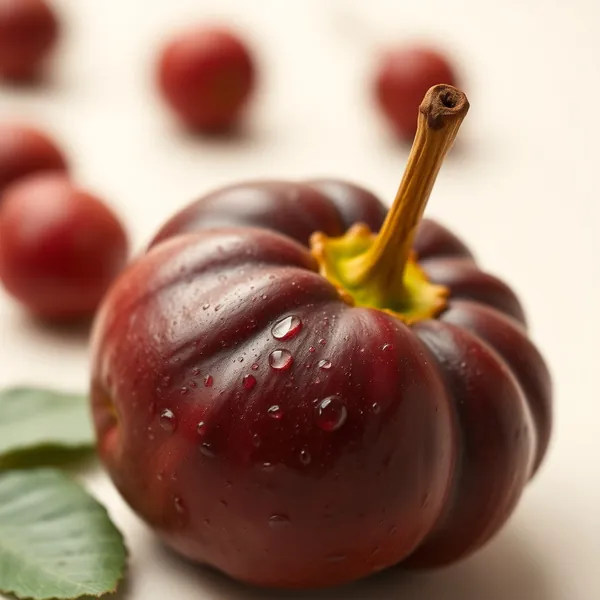
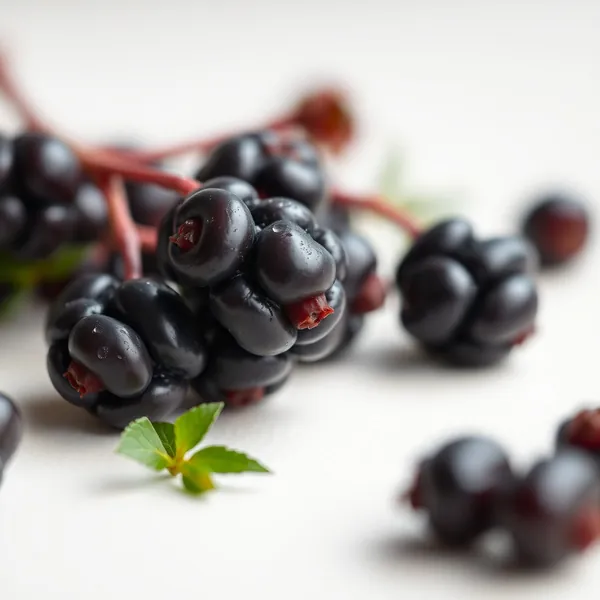
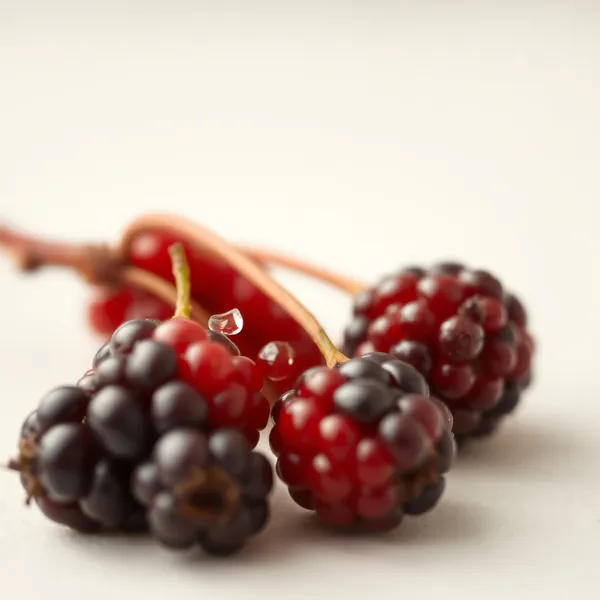
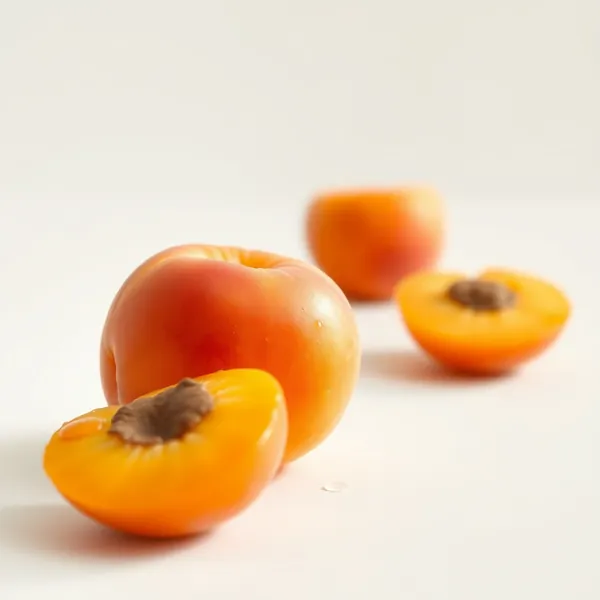
Safou, also known as African pear, is a nutrient-rich fruit native to West Africa, known for its high fat content and unique flavor. It is often consumed fresh or used in traditional dishes.


Macronutrient Ratio
Caloric distribution of primary energy metrics per 100g
Micronutrient DV% Score
Top vitamins and minerals ranked by percentage of Daily Recommended Value
Complete Micronutrient Breakdown
Detailed concentration of essential micronutrients per 100g serving.
Vitamins
Minerals
Health Benefits
Possible Risks & Side Effects
How to Prepare & Consume
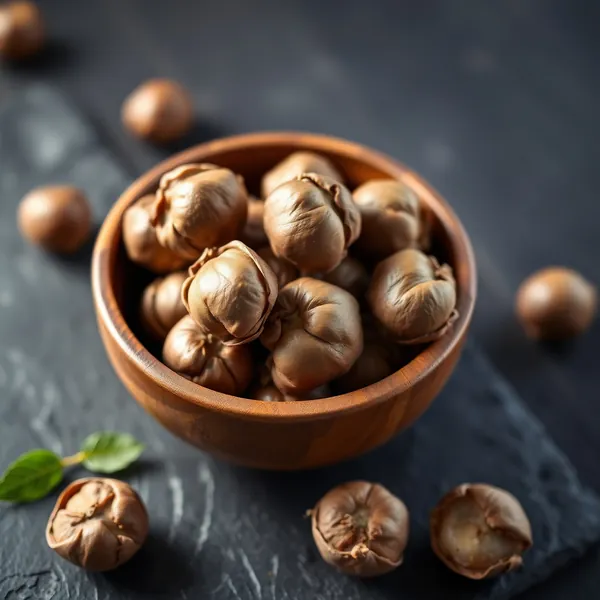
Safou can be eaten raw, cooked, or roasted. It is best enjoyed fresh to retain its nutritional benefits.
Smart Selection & Storage
Choose safou that is firm and has a smooth skin. Avoid any that are overly soft or have blemishes.
Store safou in a cool, dry place or refrigerate to maintain freshness for longer.
Myths vs Realities
Healthy Recipes
Safou and Quinoa Salad
A refreshing salad combining the creamy texture of safou with protein-rich quinoa and vibrant vegetables, perfect for a light lunch.
- 1 cup cooked quinoa
- 1 cup diced safou
- 1/2 cup cherry tomatoes, halved
- 1/4 cup diced cucumber
- 2 tablespoons olive oil
- 1 tablespoon lemon juice
- Salt and pepper to taste
- 1. In a large bowl, combine the cooked quinoa, diced safou, cherry tomatoes, and cucumber.
- 2. In a small bowl, whisk together the olive oil, lemon juice, salt, and pepper.
- 3. Pour the dressing over the salad, toss gently, and serve chilled.
Grilled Safou Skewers
Deliciously grilled safou skewers marinated in a zesty herb mixture, perfect for a healthy barbecue.
- 2 cups safou, pitted and quartered
- 1/4 cup olive oil
- 2 tablespoons fresh lemon juice
- 2 cloves garlic, minced
- 1 teaspoon dried oregano
- Salt and pepper to taste
- Skewers
- 1. In a bowl, mix olive oil, lemon juice, garlic, oregano, salt, and pepper to create the marinade.
- 2. Add the safou pieces to the marinade and let them soak for at least 30 minutes.
- 3. Thread the marinated safou onto skewers and grill over medium heat for 5-7 minutes, turning occasionally.
Safou Smoothie Bowl
A nutrient-packed smoothie bowl featuring safou, banana, and spinach, topped with seeds and nuts for added crunch.
- 1 ripe safou
- 1 banana
- 1 cup spinach
- 1/2 cup almond milk
- 1 tablespoon chia seeds
- 1 tablespoon almond butter
- Toppings: sliced fruits, nuts, and seeds
- 1. Blend the safou, banana, spinach, and almond milk until smooth.
- 2. Pour the smoothie into a bowl and swirl in the almond butter.
- 3. Top with your choice of sliced fruits, nuts, and seeds before serving.
Safou and Chickpea Curry
A hearty and flavorful curry made with safou and chickpeas, simmered in a fragrant coconut sauce.
- 1 cup safou, diced
- 1 can chickpeas, drained
- 1 can coconut milk
- 1 onion, chopped
- 2 cloves garlic, minced
- 1 tablespoon curry powder
- Salt to taste
- Fresh cilantro for garnish
- 1. In a large pot, sauté the onion and garlic until translucent.
- 2. Add the curry powder and cook for another minute before adding the safou and chickpeas.
- 3. Pour in the coconut milk, season with salt, and simmer for 20 minutes. Garnish with fresh cilantro before serving.
Baked Safou and Sweet Potato Fritters
Crispy baked fritters made with safou and sweet potatoes, offering a delicious and nutritious snack option.
- 1 cup mashed sweet potato
- 1 cup safou, mashed
- 1/2 cup whole wheat flour
- 1 egg
- 1 teaspoon cumin
- Salt and pepper to taste
- Olive oil for brushing
- 1. Preheat the oven to 400°F (200°C) and line a baking sheet with parchment paper.
- 2. In a bowl, mix the mashed sweet potato, safou, flour, egg, cumin, salt, and pepper until well combined.
- 3. Form small patties and place them on the baking sheet. Brush lightly with olive oil and bake for 25-30 minutes until golden.
Safou and Avocado Toast
A trendy and nutritious twist on classic avocado toast, featuring creamy safou for added flavor and health benefits.
- 2 slices whole grain bread
- 1 ripe avocado
- 1/2 cup safou, mashed
- Salt and pepper to taste
- Red pepper flakes for garnish
- 1. Toast the slices of whole grain bread until golden brown.
- 2. In a bowl, mash the avocado and safou together, seasoning with salt and pepper.
- 3. Spread the mixture generously on the toasted bread and sprinkle with red pepper flakes before serving.
Safou and Spinach Stuffed Chicken Breast
Juicy chicken breasts stuffed with a savory mixture of safou and spinach, offering a protein-packed meal that's full of flavor.
- 2 chicken breasts
- 1 cup safou, chopped
- 1 cup fresh spinach
- 1/2 cup feta cheese, crumbled
- 1 tablespoon olive oil
- Salt and pepper to taste
- 1. Preheat the oven to 375°F (190°C).
- 2. In a bowl, mix the chopped safou, spinach, feta, salt, and pepper.
- 3. Cut a pocket into each chicken breast, stuff with the safou mixture, and secure with toothpicks. Brush with olive oil and bake for 25-30 minutes.
Safou Energy Bites
No-bake energy bites made with safou, oats, and nuts, perfect for a quick and healthy snack on the go.
- 1 cup oats
- 1/2 cup safou, mashed
- 1/4 cup almond butter
- 1/4 cup honey
- 1/4 cup chopped nuts
- 1/4 cup dark chocolate chips
- 1. In a bowl, combine the oats, safou, almond butter, honey, nuts, and chocolate chips.
- 2. Mix well until all ingredients are combined.
- 3. Roll into small balls and refrigerate for at least 30 minutes before enjoying.
Safou and Lentil Soup
A hearty and nutritious soup featuring lentils and safou, perfect for a comforting meal packed with protein and fiber.
- 1 cup lentils, rinsed
- 1 cup safou, diced
- 1 onion, chopped
- 2 carrots, diced
- 4 cups vegetable broth
- 1 teaspoon cumin
- Salt and pepper to taste
- 1. In a large pot, sauté the onion and carrots until softened.
- 2. Add the lentils, safou, vegetable broth, cumin, salt, and pepper.
- 3. Bring to a boil, then reduce heat and simmer for 30-35 minutes until lentils are tender.
Safou Chia Pudding
A delicious and healthy chia pudding made with safou puree, offering a nutritious breakfast or dessert option.
- 1/2 cup chia seeds
- 2 cups almond milk
- 1 cup safou, pureed
- 2 tablespoons maple syrup
- Fresh fruits for topping
- 1. In a bowl, mix chia seeds, almond milk, safou puree, and maple syrup.
- 2. Stir well and let sit for 10 minutes, then stir again to prevent clumping.
- 3. Refrigerate for at least 4 hours or overnight. Serve topped with fresh fruits.
Frequently Asked Questions (FAQ)
What is safou?
Safou, or African pear, is a fruit native to West Africa known for its high fat content and unique taste.
How do you eat safou?
Safou can be eaten raw, cooked, or roasted, and is often used in traditional dishes.
What are the health benefits of safou?
Safou is rich in healthy fats, fiber, and antioxidants, which can support heart health and digestion.
Is safou safe for everyone to eat?
While generally safe, individuals with nut allergies should be cautious due to its fat profile.
How should safou be stored?
Store safou in a cool, dry place or refrigerate to extend its freshness.
Can safou be used in cooking?
Yes, safou can be used in various recipes, including stews and salads.
What nutrients are found in safou?
Safou contains healthy fats, fiber, vitamin C, and potassium.
Where can I buy safou?
Safou can be found in African markets or specialty grocery stores.