
Pork Shoulder (Boston Butt)
Sus scrofa domesticusClinical Encyclopedia
Pork Shoulder (Boston Butt) provides 250 kcal, 20g of protein, 0g of carbohydrates, and 0g of fiber per 100g. With a Nutri-Score grade 'A', it is a highly recommended option for nutrient density.
Pork shoulder, specifically the Boston butt, is a cut of meat from the upper part of the pig's shoulder. It is known for its rich flavor and tenderness, making it ideal for slow cooking and barbecuing.
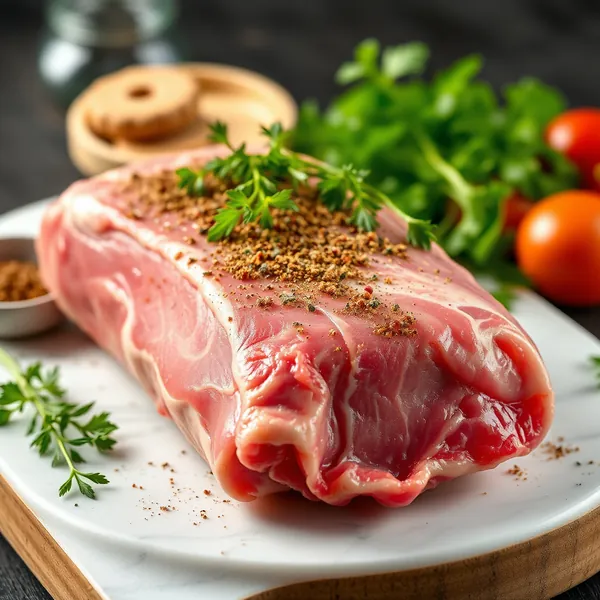 Pork Shoulder (Boston Butt)VSAbalone
 Pork Shoulder (Boston Butt)VSAlligator Tail
 Pork Shoulder (Boston Butt)VSAlligator Tail Meat
 Pork Shoulder (Boston Butt)VSFried Alligator Tail Meat
 Pork Shoulder (Boston Butt)VSAlpaca Loin Steak
 Pork Shoulder (Boston Butt)VSSpicy Andouille Sausage
 Pork Shoulder (Boston Butt)VSAntelope Loin Steak
 Pork Shoulder (Boston Butt)VSBacon
 Pork Shoulder (Boston Butt)VSApplewood Smoked Bacon
 Pork Shoulder (Boston Butt)VSCanadian Back Bacon
Macronutrient Ratio
Caloric distribution of primary energy metrics per 100g
Micronutrient DV% Score
Top vitamins and minerals ranked by percentage of Daily Recommended Value
Complete Micronutrient Breakdown
Detailed concentration of essential micronutrients per 100g serving.
Vitamins
Minerals
Health Benefits
Possible Risks & Side Effects
How to Prepare & Consume
Best cooked low and slow to enhance tenderness and flavor; can be smoked, braised, or roasted.
Smart Selection & Storage
Choose pork shoulder that is pinkish-red in color with white marbling for optimal flavor and tenderness.
Store pork shoulder in the refrigerator for up to 3-5 days or freeze for longer storage. Thaw in the refrigerator before cooking.
Myths vs Realities
Healthy Recipes
Herb-Crusted Pork Shoulder with Quinoa Salad
This flavorful herb-crusted pork shoulder is slow-roasted to perfection and served with a refreshing quinoa salad, making it a nutritious and satisfying meal.
- 2 lbs pork shoulder
- 2 tablespoons olive oil
- 1 tablespoon fresh rosemary, chopped
- 1 tablespoon fresh thyme, chopped
- 1 teaspoon garlic powder
- 1 teaspoon onion powder
- 1 cup quinoa, rinsed
- 2 cups vegetable broth
- 1 cup cherry tomatoes, halved
- 1 cucumber, diced
- 1/4 cup parsley, chopped
- Juice of 1 lemon
- Salt and pepper to taste
- 1. Preheat the oven to 325°F (165°C).
- 2. Rub the pork shoulder with olive oil, herbs, garlic powder, onion powder, salt, and pepper, then place it in a roasting pan.
- 3. Roast for 3-4 hours until the internal temperature reaches 190°F (88°C).
- 4. Meanwhile, cook quinoa in vegetable broth according to package instructions.
- 5. Combine cooked quinoa with cherry tomatoes, cucumber, parsley, and lemon juice in a bowl.
- 6. Slice the pork shoulder and serve with the quinoa salad.
Spicy Pulled Pork Tacos with Avocado Salsa
These spicy pulled pork tacos are packed with flavor and topped with a creamy avocado salsa, creating a healthy twist on a classic favorite.
- 2 lbs pork shoulder
- 2 tablespoons chili powder
- 1 tablespoon cumin
- 1 teaspoon smoked paprika
- 1/2 teaspoon cayenne pepper
- Salt to taste
- 8 corn tortillas
- 1 avocado, diced
- 1/2 red onion, finely chopped
- 1/2 cup cilantro, chopped
- Juice of 1 lime
- 1. Rub the pork shoulder with chili powder, cumin, smoked paprika, cayenne, and salt.
- 2. Slow cook the pork shoulder on low for 8 hours or until tender and easily shredded.
- 3. In a bowl, mix avocado, red onion, cilantro, lime juice, and salt to make the salsa.
- 4. Shred the pork and serve in corn tortillas topped with avocado salsa.
Maple Mustard Glazed Pork Shoulder with Roasted Vegetables
This dish features a sweet and tangy maple mustard glaze on pork shoulder, paired with a colorful array of roasted vegetables for a wholesome meal.
- 2 lbs pork shoulder
- 1/4 cup maple syrup
- 1/4 cup Dijon mustard
- 2 tablespoons apple cider vinegar
- 1 teaspoon garlic powder
- 1 teaspoon thyme
- 2 cups Brussels sprouts, halved
- 2 carrots, sliced
- 1 red bell pepper, chopped
- Salt and pepper to taste
- 1. Preheat the oven to 350°F (175°C).
- 2. Mix maple syrup, Dijon mustard, apple cider vinegar, garlic powder, thyme, salt, and pepper in a bowl.
- 3. Coat the pork shoulder with the glaze and place it in a roasting pan.
- 4. Surround with Brussels sprouts, carrots, and bell pepper.
- 5. Roast for 2-3 hours until the pork is tender, basting occasionally.
Pork Shoulder Stir-Fry with Broccoli and Bell Peppers
This quick and healthy stir-fry features tender pork shoulder, vibrant broccoli, and bell peppers, tossed in a light soy sauce for a delicious meal.
- 1 lb pork shoulder, thinly sliced
- 2 tablespoons soy sauce
- 1 tablespoon sesame oil
- 2 cups broccoli florets
- 1 red bell pepper, sliced
- 1 yellow bell pepper, sliced
- 2 cloves garlic, minced
- 1 teaspoon ginger, grated
- Cooked brown rice for serving
- 1. Heat sesame oil in a large skillet over medium-high heat.
- 2. Add garlic and ginger, cooking until fragrant, then add sliced pork and cook until browned.
- 3. Add broccoli and bell peppers, stir-frying until vegetables are tender.
- 4. Pour in soy sauce and stir to combine, cooking for an additional 2 minutes.
- 5. Serve over cooked brown rice.
Cuban-Style Pork Shoulder with Black Beans and Rice
This Cuban-inspired dish features marinated pork shoulder served with a side of black beans and brown rice, offering a hearty and nutritious meal.
- 2 lbs pork shoulder
- 1/4 cup orange juice
- 1/4 cup lime juice
- 4 cloves garlic, minced
- 1 tablespoon cumin
- 1 teaspoon oregano
- 1 can black beans, rinsed and drained
- 2 cups cooked brown rice
- Salt and pepper to taste
- 1. Marinate the pork shoulder in orange juice, lime juice, garlic, cumin, oregano, salt, and pepper for at least 2 hours.
- 2. Slow roast the pork shoulder at 325°F (165°C) for 3-4 hours until tender.
- 3. Heat black beans in a saucepan until warmed through.
- 4. Serve shredded pork over brown rice with black beans on the side.
Pork Shoulder and Sweet Potato Hash
This hearty hash combines tender pork shoulder with sweet potatoes and bell peppers, creating a delicious and nutritious breakfast or brunch option.
- 1 lb cooked pork shoulder, diced
- 2 medium sweet potatoes, diced
- 1 red bell pepper, diced
- 1 green bell pepper, diced
- 1 onion, chopped
- 2 tablespoons olive oil
- Salt and pepper to taste
- 2 eggs (optional)
- 1. Heat olive oil in a large skillet over medium heat.
- 2. Add diced sweet potatoes and cook until tender, about 10 minutes.
- 3. Stir in onion and bell peppers, cooking until softened.
- 4. Add diced pork shoulder and cook until heated through, seasoning with salt and pepper.
- 5. If desired, fry eggs in a separate pan and serve on top of the hash.
Pork Shoulder Lettuce Wraps with Peanut Sauce
These fresh and crunchy lettuce wraps are filled with savory pork shoulder and drizzled with a creamy peanut sauce, making for a fun and healthy meal.
- 1 lb cooked pork shoulder, shredded
- 1 head of butter lettuce, leaves separated
- 1/4 cup carrots, shredded
- 1/4 cup cucumber, sliced
- 1/4 cup red cabbage, shredded
- 1/4 cup peanut butter
- 2 tablespoons soy sauce
- 1 tablespoon honey
- Juice of 1 lime
- 1. In a small bowl, whisk together peanut butter, soy sauce, honey, and lime juice to make the sauce.
- 2. Lay out lettuce leaves and fill each with shredded pork, carrots, cucumber, and red cabbage.
- 3. Drizzle peanut sauce over the filled lettuce wraps and serve immediately.
Pork Shoulder and Cauliflower Rice Bowl
This nutritious bowl features seasoned pork shoulder served over cauliflower rice, topped with fresh vegetables for a low-carb, healthy meal.
- 1 lb cooked pork shoulder, shredded
- 4 cups cauliflower rice
- 1 tablespoon olive oil
- 1 cup bell peppers, diced
- 1 cup zucchini, diced
- 1 teaspoon garlic powder
- Salt and pepper to taste
- 1. In a skillet, heat olive oil over medium heat and add cauliflower rice, cooking until tender.
- 2. Add bell peppers and zucchini, seasoning with garlic powder, salt, and pepper, and cook until vegetables are soft.
- 3. Serve the cooked cauliflower rice topped with shredded pork shoulder and additional veggies.
Pork Shoulder and Spinach Stuffed Peppers
These colorful stuffed peppers are filled with a savory mixture of pork shoulder and spinach, baked to perfection for a healthy and satisfying dish.
- 4 bell peppers, halved and seeded
- 1 lb cooked pork shoulder, shredded
- 2 cups fresh spinach, chopped
- 1/2 cup quinoa, cooked
- 1/2 cup feta cheese, crumbled
- 1 teaspoon oregano
- Salt and pepper to taste
- 1. Preheat the oven to 375°F (190°C).
- 2. In a bowl, mix shredded pork, spinach, cooked quinoa, feta cheese, oregano, salt, and pepper.
- 3. Stuff each bell pepper half with the pork mixture and place in a baking dish.
- 4. Cover with foil and bake for 30 minutes, then uncover and bake for an additional 10 minutes.
Frequently Asked Questions (FAQ)
What is the best cooking method for pork shoulder?
The best cooking methods for pork shoulder include slow roasting, braising, or smoking to achieve tenderness and flavor.
How long should I cook pork shoulder?
Pork shoulder should be cooked for about 1.5 to 2 hours per pound at a low temperature (around 225°F to 250°F) for optimal tenderness.
Can I eat pork shoulder if I am on a low-carb diet?
Yes, pork shoulder is a low-carb food, making it suitable for low-carb diets.
What are the nutritional benefits of pork shoulder?
Pork shoulder is high in protein, B vitamins, and minerals like selenium and phosphorus, which are beneficial for overall health.
Is pork shoulder a healthy choice?
In moderation, pork shoulder can be part of a healthy diet, but it is important to be mindful of portion sizes due to its fat content.
How can I store leftover pork shoulder?
Leftover pork shoulder should be stored in an airtight container in the refrigerator for up to 3-4 days or frozen for longer storage.
What is the difference between pork shoulder and pork butt?
Pork shoulder and pork butt are often used interchangeably, but pork butt is actually from the upper part of the shoulder, while the shoulder includes the entire front leg.
Can I use pork shoulder for pulled pork?
Yes, pork shoulder is ideal for pulled pork due to its high fat content and connective tissue, which break down during slow cooking.