
Parsnip
Pastinaca sativaClinical Encyclopedia
Parsnip provides 75 kcal, 1.5g of protein, 18g of carbohydrates, and 4.9g of fiber per 100g. With a Nutri-Score grade 'A', it is a highly recommended option for nutrient density.
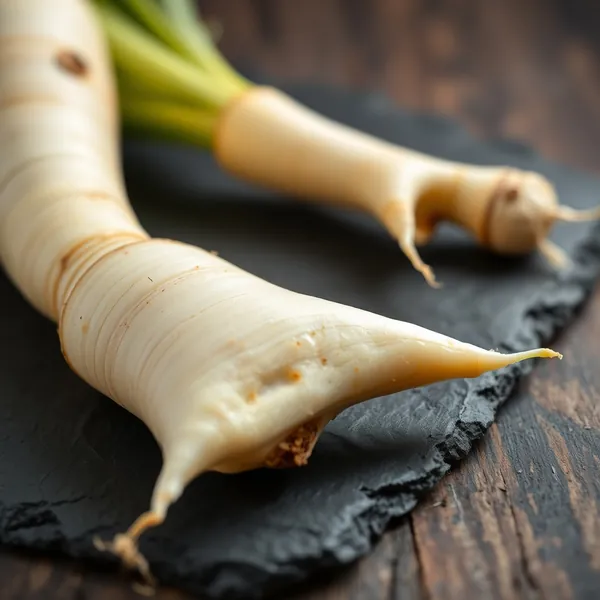
Parsnips are a root vegetable closely related to carrots, known for their sweet, nutty flavor and creamy white color. They are rich in vitamins, minerals, and dietary fiber, making them a nutritious addition to various dishes.


Macronutrient Ratio
Caloric distribution of primary energy metrics per 100g
Micronutrient DV% Score
Top vitamins and minerals ranked by percentage of Daily Recommended Value
Complete Micronutrient Breakdown
Detailed concentration of essential micronutrients per 100g serving.
Vitamins
Minerals
Health Benefits
Possible Risks & Side Effects
How to Prepare & Consume
Parsnips can be enjoyed raw in salads or cooked by roasting, boiling, or mashing. Peeling is optional, but it enhances texture and flavor.
Smart Selection & Storage
Choose firm, smooth parsnips without blemishes or soft spots. Smaller parsnips tend to be sweeter and more tender.
Store in a cool, dark place or in the refrigerator. Keep them in a perforated bag to maintain humidity.
Myths vs Realities
Healthy Recipes
Roasted Parsnip and Carrot Medley
A vibrant mix of roasted parsnips and carrots, seasoned with rosemary and garlic, perfect as a side dish or a healthy snack.
- 2 large parsnips, peeled and cut into sticks
- 2 large carrots, peeled and cut into sticks
- 2 tablespoons olive oil
- 1 teaspoon dried rosemary
- 2 cloves garlic, minced
- Salt and pepper to taste
- 1. Preheat the oven to 400°F (200°C).
- 2. In a large bowl, toss parsnips and carrots with olive oil, rosemary, garlic, salt, and pepper.
- 3. Spread the mixture on a baking sheet and roast for 25-30 minutes, until golden and tender.
Parsnip and Apple Soup
A creamy, comforting soup blending parsnips and apples, spiced with nutmeg and topped with a drizzle of coconut cream.
- 1 tablespoon olive oil
- 1 onion, chopped
- 2 parsnips, peeled and diced
- 1 apple, peeled and diced
- 4 cups vegetable broth
- 1/2 teaspoon ground nutmeg
- Salt and pepper to taste
- Coconut cream for garnish
- 1. In a large pot, heat olive oil over medium heat and sauté the onion until translucent.
- 2. Add parsnips, apple, vegetable broth, nutmeg, salt, and pepper; bring to a boil.
- 3. Reduce heat and simmer for 20 minutes, then blend until smooth and serve with a drizzle of coconut cream.
Parsnip and Quinoa Salad
A nutritious salad featuring roasted parsnips, quinoa, and a zesty lemon dressing, packed with flavor and protein.
- 1 cup quinoa, rinsed
- 2 large parsnips, peeled and diced
- 2 tablespoons olive oil
- 1 lemon, juiced
- 1/4 cup fresh parsley, chopped
- Salt and pepper to taste
- 1. Preheat the oven to 425°F (220°C) and toss parsnips with olive oil, salt, and pepper; roast for 20-25 minutes.
- 2. Cook quinoa according to package instructions and let it cool.
- 3. In a large bowl, combine quinoa, roasted parsnips, lemon juice, parsley, salt, and pepper; mix well and serve.
Parsnip Mash with Garlic
A creamy and healthy alternative to mashed potatoes, this parsnip mash is infused with garlic and a hint of olive oil.
- 4 large parsnips, peeled and chopped
- 2 cloves garlic, minced
- 2 tablespoons olive oil
- Salt and pepper to taste
- 1. Boil parsnips in salted water until tender, about 15 minutes.
- 2. Drain and return to the pot; add garlic and olive oil.
- 3. Mash until smooth, seasoning with salt and pepper to taste.
Spicy Parsnip Fries
Crispy baked parsnip fries seasoned with paprika and cayenne for a healthy snack that satisfies your cravings.
- 2 large parsnips, cut into fries
- 2 tablespoons olive oil
- 1 teaspoon paprika
- 1/2 teaspoon cayenne pepper
- Salt to taste
- 1. Preheat the oven to 425°F (220°C) and toss parsnip fries with olive oil, paprika, cayenne, and salt.
- 2. Spread fries on a baking sheet in a single layer and bake for 20-25 minutes, flipping halfway through.
- 3. Serve hot with your favorite dipping sauce.
Parsnip and Spinach Frittata
A protein-packed frittata featuring sautéed parsnips and fresh spinach, perfect for breakfast or brunch.
- 4 eggs
- 1 cup spinach, chopped
- 1 large parsnip, grated
- 1/4 cup milk
- Salt and pepper to taste
- 1 tablespoon olive oil
- 1. Preheat the oven to 350°F (175°C).
- 2. In a skillet, heat olive oil and sauté grated parsnip until soft; add spinach and cook until wilted.
- 3. In a bowl, whisk eggs, milk, salt, and pepper; pour over the vegetable mixture and bake for 20-25 minutes until set.
Parsnip Pancakes
Deliciously savory pancakes made with grated parsnips, perfect for a healthy breakfast or brunch option.
- 1 cup grated parsnips
- 1/2 cup whole wheat flour
- 1 egg
- 1/2 cup milk
- 1 teaspoon baking powder
- Salt and pepper to taste
- Olive oil for frying
- 1. In a bowl, mix grated parsnips, flour, egg, milk, baking powder, salt, and pepper until combined.
- 2. Heat olive oil in a skillet over medium heat and pour in batter to form pancakes.
- 3. Cook until golden brown on both sides, about 3-4 minutes per side.
Parsnip and Lentil Stew
A hearty stew combining parsnips, lentils, and vegetables, simmered in a rich broth for a filling and nutritious meal.
- 1 tablespoon olive oil
- 1 onion, chopped
- 2 parsnips, diced
- 1 carrot, diced
- 1 cup lentils, rinsed
- 4 cups vegetable broth
- 1 teaspoon thyme
- Salt and pepper to taste
- 1. In a large pot, heat olive oil and sauté onion until translucent.
- 2. Add parsnips, carrot, lentils, broth, thyme, salt, and pepper; bring to a boil.
- 3. Reduce heat and simmer for 30-35 minutes until lentils are tender.
Parsnip and Beet Salad
A colorful salad featuring roasted parsnips and beets, tossed with arugula and a balsamic vinaigrette for a refreshing dish.
- 2 large parsnips, peeled and diced
- 2 medium beets, peeled and diced
- 2 cups arugula
- 2 tablespoons balsamic vinegar
- 2 tablespoons olive oil
- Salt and pepper to taste
- 1. Preheat the oven to 400°F (200°C) and roast parsnips and beets with olive oil, salt, and pepper for 25-30 minutes.
- 2. In a large bowl, combine arugula, roasted parsnips, and beets.
- 3. Drizzle with balsamic vinegar, toss, and serve immediately.
Parsnip Smoothie Bowl
A nutritious smoothie bowl featuring blended parsnips, banana, and almond milk, topped with fresh fruits and nuts.
- 1 cup cooked parsnip, cooled
- 1 banana
- 1 cup almond milk
- 1 tablespoon almond butter
- Toppings: sliced fruits, nuts, and seeds
- 1. In a blender, combine cooked parsnip, banana, almond milk, and almond butter; blend until smooth.
- 2. Pour into a bowl and top with your choice of sliced fruits, nuts, and seeds.
- 3. Enjoy immediately for a refreshing breakfast or snack.
Frequently Asked Questions (FAQ)
How do you store parsnips?
Store parsnips in a cool, dark place or in the refrigerator to maintain freshness. They can last for several weeks when stored properly.
Can you eat parsnip leaves?
Parsnip leaves are not typically consumed as they can be toxic in large amounts. It's best to stick to the root.
What is the best way to cook parsnips?
Parsnips can be roasted, boiled, or mashed. Roasting enhances their natural sweetness.
Are parsnips low in calories?
Yes, parsnips are relatively low in calories, making them a great option for weight management.
Can parsnips be eaten raw?
Yes, parsnips can be eaten raw, and they add a crunchy texture to salads.
What nutrients are in parsnips?
Parsnips are rich in fiber, vitamins C and K, and minerals like potassium and magnesium.
How do parsnips compare to carrots nutritionally?
Parsnips are higher in carbohydrates and fiber than carrots, while both provide essential vitamins and minerals.
Can parsnips be frozen?
Yes, parsnips can be blanched and frozen for later use, but it's best to consume them fresh for optimal flavor.