
Kiwi
Actinidia deliciosaClinical Encyclopedia
Kiwi provides 61 kcal, 1.1g of protein, 14.7g of carbohydrates, and 3g of fiber per 100g. With a Nutri-Score grade 'A', it is a highly recommended option for nutrient density.
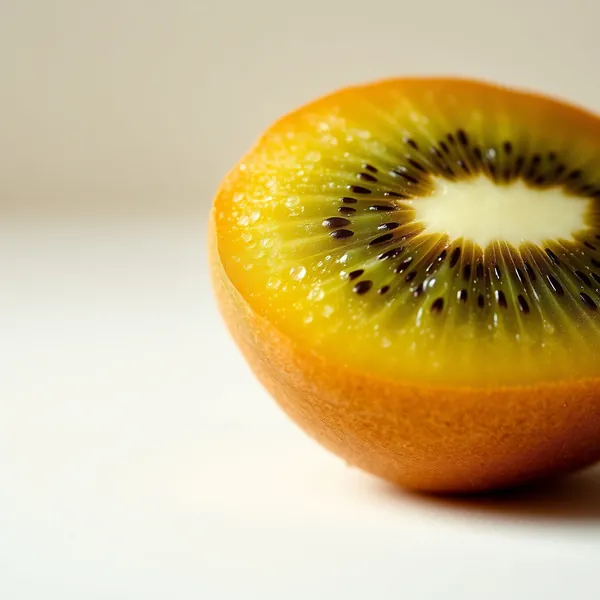
Kiwi is a nutrient-dense fruit known for its vibrant green color and unique sweet-tart flavor. It is rich in vitamins, particularly vitamin C, and provides a good source of dietary fiber.


Macronutrient Ratio
Caloric distribution of primary energy metrics per 100g
Micronutrient DV% Score
Top vitamins and minerals ranked by percentage of Daily Recommended Value
Complete Micronutrient Breakdown
Detailed concentration of essential micronutrients per 100g serving.
Vitamins
Minerals
Health Benefits
Possible Risks & Side Effects
How to Prepare & Consume
Kiwi can be eaten raw, with the skin for added fiber, or sliced into salads and desserts. Avoid cooking to preserve its vitamin content.
Smart Selection & Storage
Choose kiwis that are slightly soft to the touch, indicating ripeness. Avoid those with blemishes or wrinkles.
Store unripe kiwis at room temperature. Once ripe, refrigerate to maintain freshness for up to a week.
Myths vs Realities
Healthy Recipes
Kiwi Quinoa Salad
A refreshing salad combining the tangy flavor of kiwi with protein-packed quinoa, perfect for a light lunch or side dish.
- 1 cup cooked quinoa
- 2 ripe kiwis, peeled and diced
- 1/2 cup cherry tomatoes, halved
- 1/4 cup red onion, finely chopped
- 2 tablespoons olive oil
- 1 tablespoon lemon juice
- Salt and pepper to taste
- 1. In a large bowl, combine cooked quinoa, diced kiwi, cherry tomatoes, and red onion.
- 2. In a small bowl, whisk together olive oil, lemon juice, salt, and pepper.
- 3. Pour the dressing over the salad, toss gently, and serve chilled.
Kiwi and Spinach Smoothie
A vibrant green smoothie packed with vitamins and minerals, featuring kiwi and fresh spinach for a nutritious start to your day.
- 2 ripe kiwis, peeled
- 1 cup fresh spinach
- 1 banana
- 1 cup almond milk
- 1 tablespoon chia seeds
- 1. Place all ingredients into a blender.
- 2. Blend until smooth and creamy.
- 3. Pour into a glass and enjoy immediately.
Grilled Kiwi Chicken Skewers
Juicy chicken skewers marinated in a tangy kiwi sauce, grilled to perfection for a healthy and flavorful meal.
- 1 pound chicken breast, cut into cubes
- 2 ripe kiwis, pureed
- 2 tablespoons soy sauce
- 1 tablespoon honey
- 1 tablespoon lime juice
- Salt and pepper to taste
- 1. In a bowl, mix pureed kiwi, soy sauce, honey, lime juice, salt, and pepper to create the marinade.
- 2. Add chicken cubes to the marinade and let sit for at least 30 minutes.
- 3. Thread chicken onto skewers and grill for 10-12 minutes, turning occasionally, until cooked through.
Kiwi Chia Pudding
A delicious and nutritious chia pudding layered with kiwi, perfect for breakfast or a healthy dessert.
- 1/4 cup chia seeds
- 1 cup coconut milk
- 2 ripe kiwis, diced
- 1 tablespoon maple syrup
- 1 teaspoon vanilla extract
- 1. In a bowl, combine chia seeds, coconut milk, maple syrup, and vanilla extract.
- 2. Stir well and let sit for 10 minutes, then stir again to prevent clumping.
- 3. Refrigerate for at least 2 hours or overnight. Serve topped with diced kiwi.
Kiwi Salsa
A vibrant and zesty salsa featuring kiwi, perfect as a topping for grilled fish or chicken.
- 2 ripe kiwis, diced
- 1/2 red onion, finely chopped
- 1 jalapeño, seeded and minced
- 1/4 cup cilantro, chopped
- Juice of 1 lime
- Salt to taste
- 1. In a bowl, combine diced kiwi, red onion, jalapeño, and cilantro.
- 2. Add lime juice and salt, mixing well.
- 3. Let sit for 15 minutes to allow flavors to meld before serving.
Kiwi Oatmeal Bowl
A hearty oatmeal bowl topped with fresh kiwi and nuts, making for a wholesome breakfast option.
- 1 cup rolled oats
- 2 cups water or almond milk
- 2 ripe kiwis, sliced
- 1/4 cup walnuts, chopped
- 1 tablespoon honey or maple syrup
- Cinnamon to taste
- 1. In a saucepan, bring water or almond milk to a boil, then add oats and reduce heat.
- 2. Cook for 5-7 minutes until creamy, stirring occasionally.
- 3. Serve topped with kiwi slices, walnuts, honey, and a sprinkle of cinnamon.
Kiwi Coconut Energy Balls
No-bake energy balls made with kiwi and coconut, perfect for a quick snack or post-workout boost.
- 1 cup rolled oats
- 1/2 cup almond butter
- 1/2 cup shredded coconut
- 2 ripe kiwis, pureed
- 1 tablespoon honey
- 1. In a bowl, mix rolled oats, almond butter, shredded coconut, pureed kiwi, and honey until well combined.
- 2. Roll the mixture into small balls and place on a baking sheet.
- 3. Refrigerate for at least 30 minutes before serving.
Kiwi and Avocado Toast
A trendy and nutritious toast topped with creamy avocado and fresh kiwi slices, ideal for breakfast or brunch.
- 2 slices whole grain bread
- 1 ripe avocado
- 2 ripe kiwis, sliced
- Salt and pepper to taste
- Red pepper flakes (optional)
- 1. Toast the whole grain bread until golden brown.
- 2. Mash the avocado in a bowl and season with salt and pepper.
- 3. Spread the mashed avocado on the toast and top with kiwi slices and red pepper flakes if desired.
Kiwi Yogurt Parfait
A layered parfait with creamy yogurt, kiwi, and granola, making a delightful and healthy breakfast or snack.
- 1 cup Greek yogurt
- 2 ripe kiwis, diced
- 1/2 cup granola
- 1 tablespoon honey
- Mint leaves for garnish
- 1. In a glass or bowl, layer Greek yogurt, diced kiwi, and granola.
- 2. Drizzle honey on top and garnish with mint leaves.
- 3. Serve immediately for a refreshing treat.
Kiwi and Berry Fruit Salad
A colorful fruit salad featuring kiwi and mixed berries, perfect for a light dessert or snack.
- 2 ripe kiwis, diced
- 1 cup strawberries, halved
- 1 cup blueberries
- 1 cup raspberries
- Juice of 1 orange
- Mint leaves for garnish
- 1. In a large bowl, combine diced kiwi, strawberries, blueberries, and raspberries.
- 2. Drizzle with orange juice and toss gently to combine.
- 3. Serve chilled, garnished with mint leaves.
Frequently Asked Questions (FAQ)
What are the health benefits of eating kiwi?
Kiwi is rich in vitamin C, fiber, and antioxidants, which support immune health, digestion, and may reduce the risk of chronic diseases.
Can kiwi help with digestion?
Yes, kiwi contains dietary fiber and an enzyme called actinidain that aids in digestion and promotes gut health.
Is kiwi safe for diabetics?
Kiwi has a low glycemic index and can be included in a diabetic diet in moderation.
How should kiwi be stored?
Store kiwi at room temperature until ripe, then refrigerate to extend freshness.
Can you eat kiwi skin?
Yes, kiwi skin is edible and contains additional fiber and nutrients.
What nutrients are in kiwi?
Kiwi is high in vitamin C, vitamin K, potassium, and dietary fiber.
How many calories are in a kiwi?
A medium-sized kiwi contains approximately 61 calories.
Are there any side effects of eating kiwi?
Some individuals may experience allergic reactions or digestive discomfort if consumed in excess.