
Halibut Cheek
Hippoglossus spp.Clinical Encyclopedia
Halibut Cheek provides 140 kcal, 28g of protein, 0g of carbohydrates, and 0g of fiber per 100g. With a Nutri-Score grade 'A', it is a highly recommended option for nutrient density.
Halibut cheeks are a delicacy known for their tender texture and mild flavor, making them a sought-after seafood choice. They are rich in protein and essential nutrients, providing a healthy option for seafood lovers.
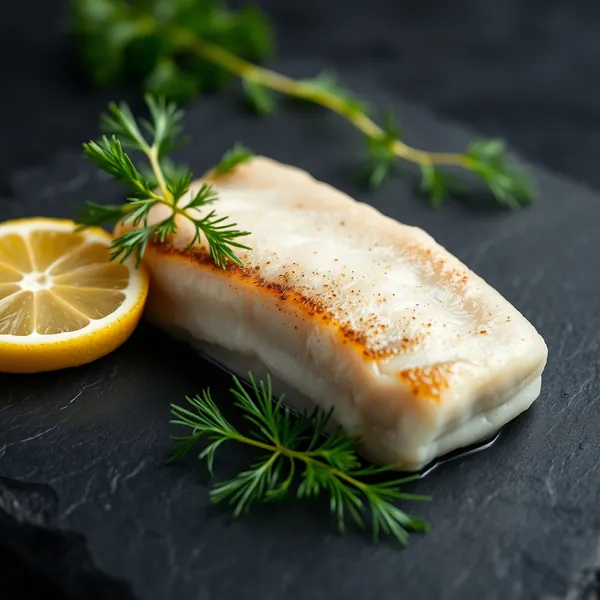 Halibut CheekVSAlaska Plaice Fillet
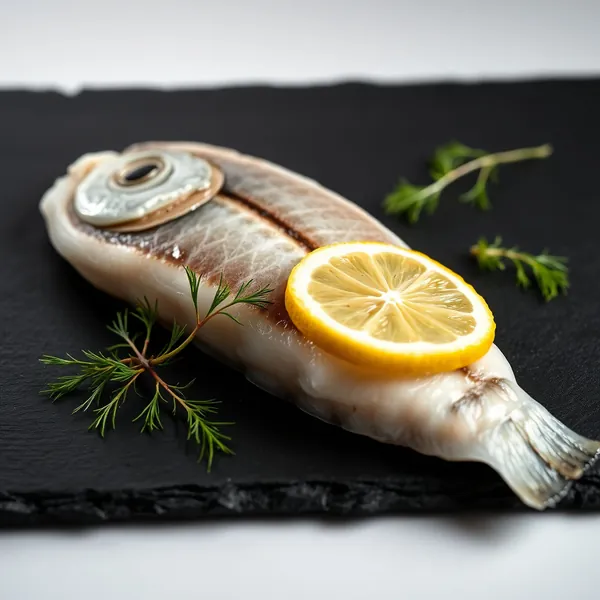 Halibut CheekVSAlbacore Tuna
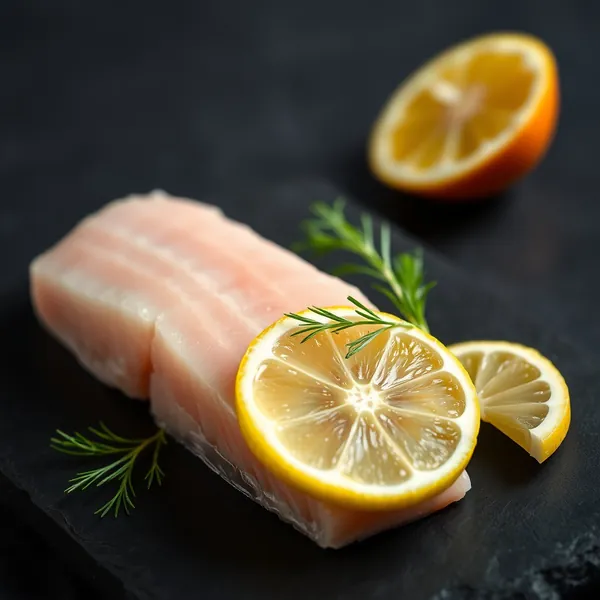 Halibut CheekVSAlbacore White Tuna
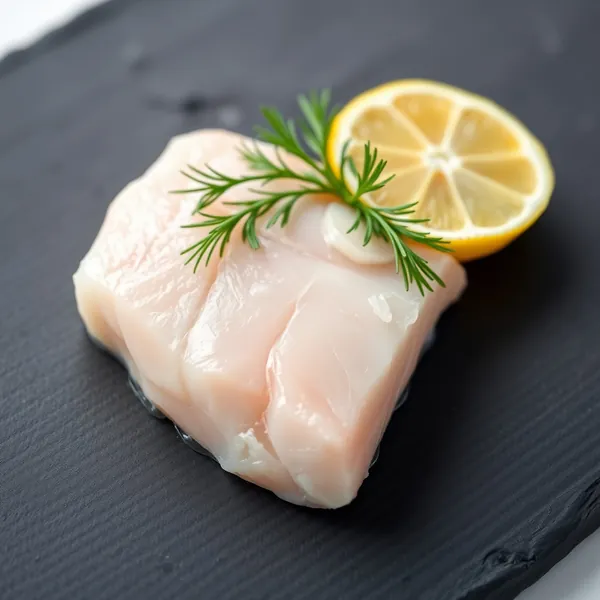 Halibut CheekVSAlbacore White Tuna Loin
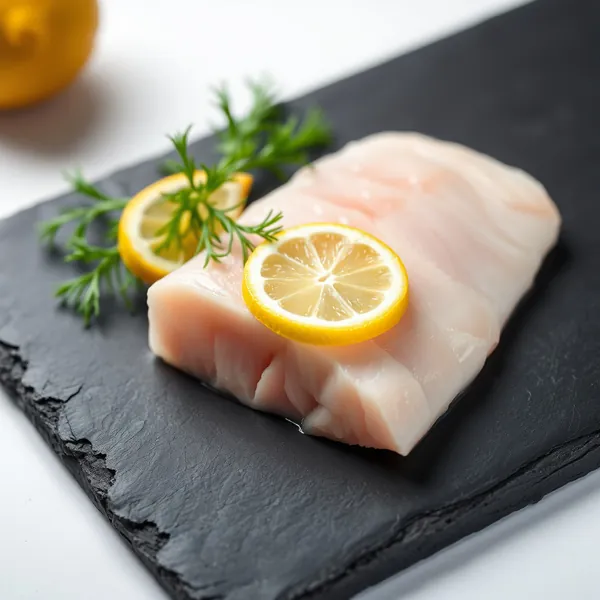 Halibut CheekVSAmberjack Yellowtail Fillet
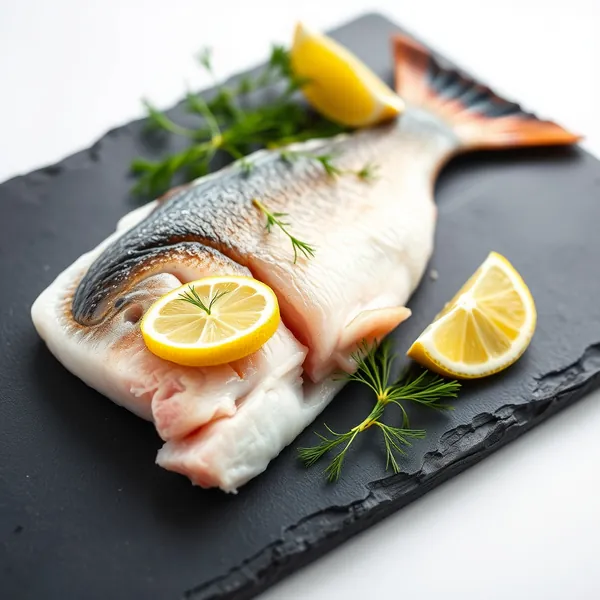 Halibut CheekVSAmerican Plaice
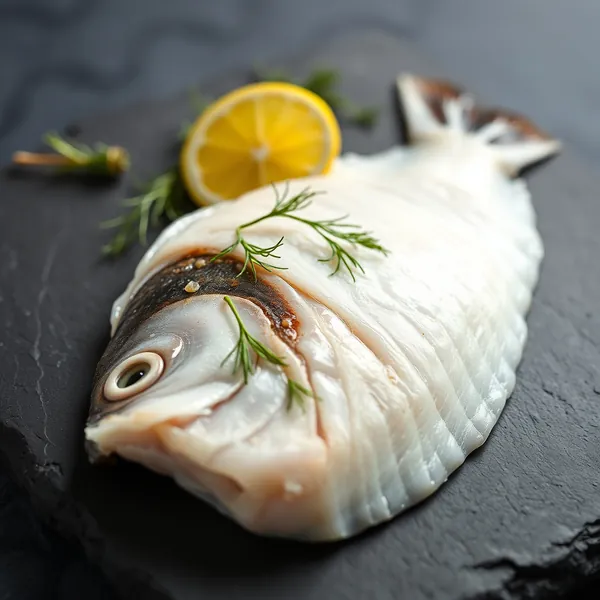 Halibut CheekVSAmerican Plaice Fillet
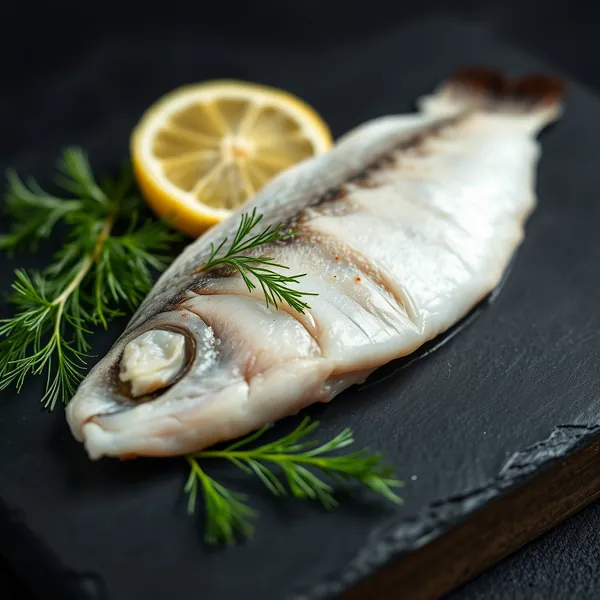 Halibut CheekVSAnchovies
 Halibut CheekVSArctic Char
 Halibut CheekVSArctic Char Fillet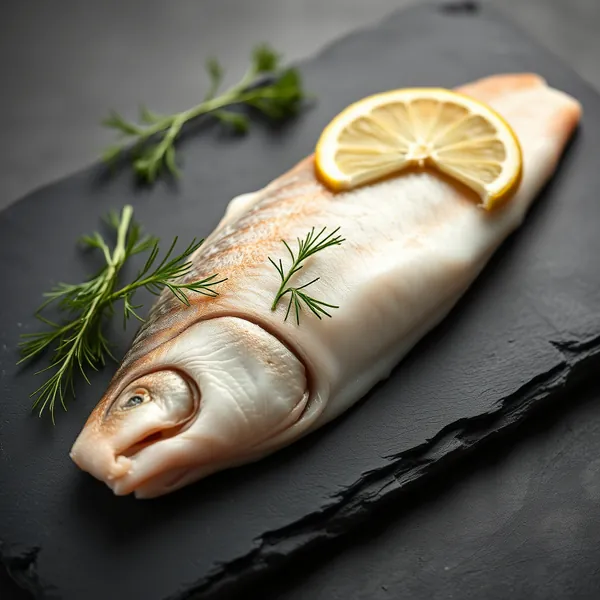
Macronutrient Ratio
Caloric distribution of primary energy metrics per 100g
Micronutrient DV% Score
Top vitamins and minerals ranked by percentage of Daily Recommended Value
Complete Micronutrient Breakdown
Detailed concentration of essential micronutrients per 100g serving.
Vitamins
Minerals
Health Benefits
Possible Risks & Side Effects
How to Prepare & Consume
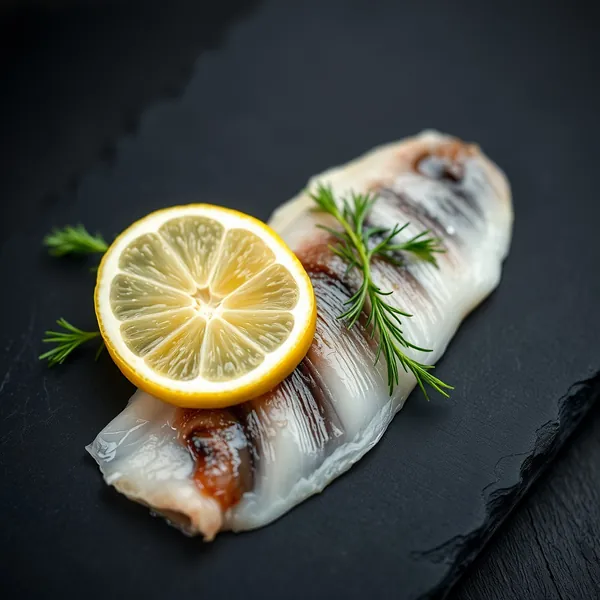
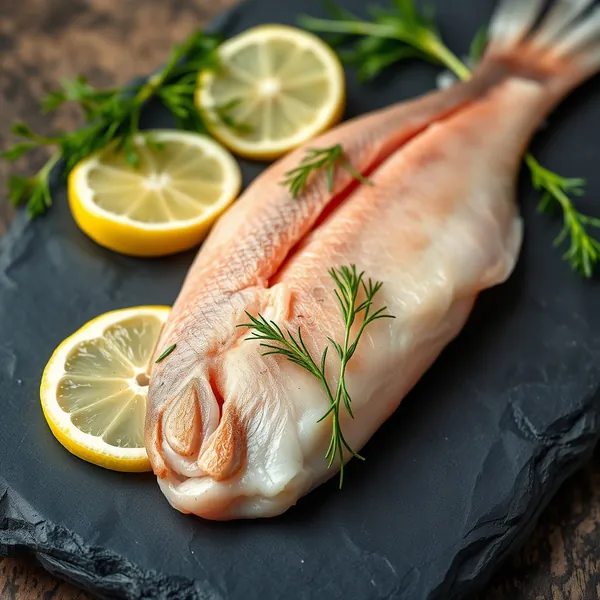
Best prepared by pan-searing to enhance their natural flavors while maintaining tenderness. Serve with a squeeze of lemon for added zest.
Smart Selection & Storage
Choose halibut cheeks that are firm, moist, and have a clean ocean smell. Avoid any that appear discolored or have a strong fishy odor.
Store halibut cheeks in the coldest part of the refrigerator and consume within 1-2 days. For longer storage, freeze them in airtight packaging.
Myths vs Realities
Healthy Recipes
Lemon Herb Grilled Halibut Cheeks
These grilled halibut cheeks are marinated in a zesty lemon and herb mixture, delivering a fresh and flavorful dish that's perfect for a healthy dinner.
- 1 pound halibut cheeks
- 2 tablespoons olive oil
- Juice of 1 lemon
- 1 tablespoon fresh parsley, chopped
- 1 tablespoon fresh dill, chopped
- Salt and pepper to taste
- 1. In a bowl, whisk together olive oil, lemon juice, parsley, dill, salt, and pepper.
- 2. Add halibut cheeks to the marinade and let them sit for 30 minutes.
- 3. Preheat the grill to medium-high heat and grill the halibut cheeks for 3-4 minutes on each side until cooked through.
Halibut Cheek Tacos with Mango Salsa
These vibrant tacos feature pan-seared halibut cheeks topped with a refreshing mango salsa, making for a light and satisfying meal.
- 1 pound halibut cheeks
- 2 teaspoons chili powder
- 1 tablespoon olive oil
- 4 corn tortillas
- 1 ripe mango, diced
- 1/2 red onion, diced
- 1 jalapeño, minced
- Juice of 1 lime
- Salt to taste
- 1. Season halibut cheeks with chili powder, salt, and olive oil.
- 2. Pan-sear the cheeks in a skillet over medium heat for about 3-4 minutes on each side.
- 3. In a bowl, combine mango, red onion, jalapeño, lime juice, and salt to make the salsa. Serve the halibut in tortillas topped with mango salsa.
Baked Halibut Cheeks with Quinoa and Spinach
This wholesome dish features baked halibut cheeks served over a bed of quinoa and sautéed spinach, providing a nutritious and filling meal.
- 1 pound halibut cheeks
- 1 cup quinoa
- 2 cups vegetable broth
- 2 cups fresh spinach
- 1 tablespoon olive oil
- Salt and pepper to taste
- 1. Preheat the oven to 375°F (190°C). Season halibut cheeks with salt and pepper and place them in a baking dish.
- 2. Cook quinoa in vegetable broth according to package instructions.
- 3. Sauté spinach in olive oil until wilted. Serve halibut cheeks over quinoa and spinach.
Halibut Cheek Ceviche
This refreshing ceviche features halibut cheeks marinated in citrus juices, mixed with fresh vegetables for a light and zesty appetizer.
- 1 pound halibut cheeks, diced
- Juice of 3 limes
- 1/2 red onion, finely chopped
- 1 tomato, diced
- 1/2 cucumber, diced
- 1/4 cup cilantro, chopped
- Salt to taste
- 1. In a bowl, combine halibut cheeks and lime juice. Let marinate for 30 minutes until the fish is opaque.
- 2. Add red onion, tomato, cucumber, cilantro, and salt. Mix well and serve chilled.
Halibut Cheek Stir-Fry with Broccoli and Carrots
This quick stir-fry features tender halibut cheeks cooked with vibrant broccoli and carrots, tossed in a light soy sauce for a healthy meal.
- 1 pound halibut cheeks, cut into bite-sized pieces
- 2 cups broccoli florets
- 1 cup carrots, sliced
- 2 tablespoons soy sauce
- 1 tablespoon sesame oil
- 2 cloves garlic, minced
- 1. Heat sesame oil in a large skillet over medium heat. Add garlic and sauté until fragrant.
- 2. Add halibut cheeks, broccoli, and carrots. Stir-fry for about 5-7 minutes until the fish is cooked and vegetables are tender.
- 3. Drizzle with soy sauce and serve immediately.
Halibut Cheek and Avocado Salad
This light and nutritious salad combines seared halibut cheeks with creamy avocado and mixed greens, drizzled with a citrus vinaigrette.
- 1 pound halibut cheeks
- 1 ripe avocado, sliced
- 4 cups mixed greens
- 2 tablespoons olive oil
- Juice of 1 orange
- Salt and pepper to taste
- 1. Season halibut cheeks with salt and pepper. Sear in a skillet over medium heat for 3-4 minutes on each side.
- 2. In a large bowl, combine mixed greens, avocado, and halibut cheeks.
- 3. Whisk together olive oil, orange juice, salt, and pepper for the dressing and drizzle over the salad.
Spicy Halibut Cheek Soup
This comforting soup features halibut cheeks simmered in a spicy broth with vegetables, perfect for a healthy and warming meal.
- 1 pound halibut cheeks
- 4 cups vegetable broth
- 1 can diced tomatoes
- 1 onion, chopped
- 2 cloves garlic, minced
- 1 teaspoon red pepper flakes
- Salt to taste
- 1. In a large pot, sauté onion and garlic until translucent.
- 2. Add vegetable broth, diced tomatoes, red pepper flakes, and salt. Bring to a boil.
- 3. Add halibut cheeks and simmer for 10 minutes until cooked through. Serve hot.
Halibut Cheek Buddha Bowl
This nourishing Buddha bowl features roasted halibut cheeks served over brown rice with a variety of fresh vegetables and a tahini dressing.
- 1 pound halibut cheeks
- 1 cup brown rice
- 2 cups mixed vegetables (bell peppers, zucchini, etc.)
- 2 tablespoons tahini
- Juice of 1 lemon
- Salt and pepper to taste
- 1. Cook brown rice according to package instructions. Roast halibut cheeks in the oven at 375°F (190°C) for 15 minutes.
- 2. Sauté mixed vegetables in a skillet until tender.
- 3. In a bowl, combine rice, vegetables, and halibut cheeks. Drizzle with tahini and lemon juice.
Halibut Cheek and Asparagus Risotto
This creamy risotto features halibut cheeks and fresh asparagus, creating a luxurious yet healthy dish that is perfect for special occasions.
- 1 pound halibut cheeks
- 1 cup Arborio rice
- 4 cups vegetable broth
- 1 cup asparagus, chopped
- 1 onion, chopped
- 2 tablespoons olive oil
- Salt and pepper to taste
- 1. In a pot, heat olive oil and sauté onion until translucent. Add Arborio rice and stir for 2 minutes.
- 2. Gradually add vegetable broth, stirring frequently until absorbed. Add asparagus and cook until tender.
- 3. In the last 5 minutes, add halibut cheeks to the risotto and cook until done. Season with salt and pepper.
Frequently Asked Questions (FAQ)
What are halibut cheeks?
Halibut cheeks are the tender, flavorful flesh located on the sides of the halibut's head, considered a delicacy.
How should I cook halibut cheeks?
Pan-searing is recommended for halibut cheeks to retain moisture and enhance flavor; they can also be grilled or baked.
Are halibut cheeks healthy?
Yes, they are high in protein and omega-3 fatty acids, making them a nutritious choice for a balanced diet.
How do I know if halibut cheeks are fresh?
Fresh halibut cheeks should have a mild ocean smell, firm texture, and translucent appearance.
Can I freeze halibut cheeks?
Yes, halibut cheeks can be frozen; ensure they are properly wrapped to prevent freezer burn.
What do halibut cheeks taste like?
They have a mild, sweet flavor with a delicate, buttery texture, making them versatile for various dishes.
How long do halibut cheeks take to cook?
Pan-searing typically takes about 3-4 minutes per side, depending on thickness.
What are some good side dishes for halibut cheeks?
Pair them with roasted vegetables, a fresh salad, or a light citrus sauce for a balanced meal.