
Dehydrated Shallot
Allium ascalonicumClinical Encyclopedia
Dehydrated Shallot provides 300 kcal, 8g of protein, 70g of carbohydrates, and 9g of fiber per 100g. With a Nutri-Score grade 'A', it is a highly recommended option for nutrient density.
Dehydrated shallots are concentrated forms of fresh shallots, retaining their unique flavor and nutritional benefits. They are rich in vitamins and minerals, making them a valuable addition to various dishes.
 Dehydrated ShallotVSAcorn Squash
 Dehydrated ShallotVSAdria Blue Potatoes
 Dehydrated ShallotVSAir Potato
 Dehydrated ShallotVSGarlic
 Dehydrated ShallotVSAlexanders
 Dehydrated ShallotVSAloe Vera
 Dehydrated ShallotVSArrowhead
 Dehydrated ShallotVSArtichoke
 Dehydrated ShallotVSArugula
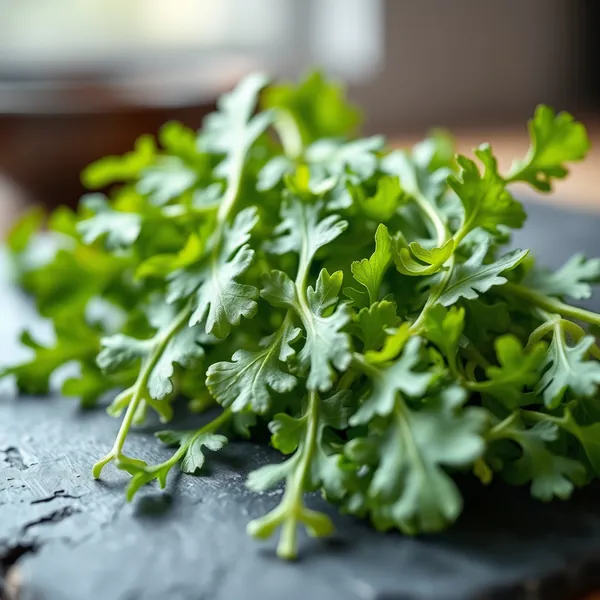 Dehydrated ShallotVSAsh Gourd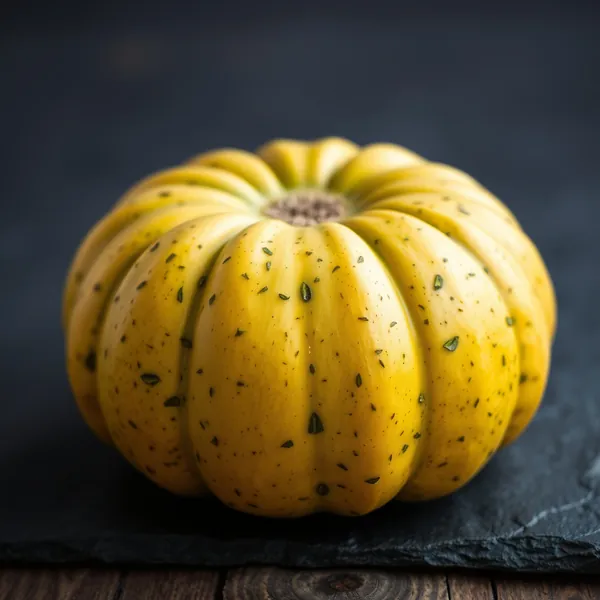
Macronutrient Ratio
Caloric distribution of primary energy metrics per 100g
Micronutrient DV% Score
Top vitamins and minerals ranked by percentage of Daily Recommended Value
Complete Micronutrient Breakdown
Detailed concentration of essential micronutrients per 100g serving.
Vitamins
Minerals
Health Benefits
Possible Risks & Side Effects
How to Prepare & Consume
Rehydrate in warm water for 10-15 minutes before use, or add directly to soups and stews for enhanced flavor.
Smart Selection & Storage
Choose dehydrated shallots that are uniform in color and free from clumps or moisture.
Keep in an airtight container in a cool, dry place to maximize shelf life.
Myths vs Realities
Healthy Recipes
Dehydrated Shallot Quinoa Salad
A refreshing quinoa salad packed with nutrients, featuring the rich flavor of dehydrated shallots and a medley of colorful vegetables.
- 1 cup quinoa
- 2 tablespoons dehydrated shallots
- 1 cucumber, diced
- 1 bell pepper, diced
- 1 cup cherry tomatoes, halved
- 2 tablespoons olive oil
- 1 tablespoon lemon juice
- Salt and pepper to taste
- 1. Rinse quinoa under cold water and cook according to package instructions.
- 2. In a large bowl, combine cooked quinoa, dehydrated shallots, cucumber, bell pepper, and cherry tomatoes.
- 3. Drizzle with olive oil and lemon juice, season with salt and pepper, and toss to combine.
Dehydrated Shallot and Spinach Omelette
A protein-packed omelette enriched with the savory taste of dehydrated shallots and fresh spinach, perfect for a healthy breakfast.
- 3 eggs
- 2 tablespoons dehydrated shallots
- 1 cup fresh spinach
- Salt and pepper to taste
- 1 tablespoon olive oil
- 1. In a bowl, whisk together eggs, dehydrated shallots, salt, and pepper.
- 2. Heat olive oil in a non-stick skillet over medium heat, add spinach and sauté until wilted.
- 3. Pour the egg mixture over the spinach, cook until set, then fold and serve.
Dehydrated Shallot Lentil Soup
A hearty and nutritious lentil soup infused with the aromatic flavor of dehydrated shallots, perfect for a comforting meal.
- 1 cup lentils, rinsed
- 2 tablespoons dehydrated shallots
- 1 carrot, diced
- 1 celery stalk, diced
- 4 cups vegetable broth
- 1 teaspoon cumin
- Salt and pepper to taste
- 1. In a pot, sauté carrot and celery until softened, then add dehydrated shallots and cumin.
- 2. Stir in lentils and vegetable broth, bring to a boil, then reduce heat and simmer until lentils are tender.
- 3. Season with salt and pepper before serving.
Dehydrated Shallot Roasted Vegetables
A colorful medley of roasted vegetables enhanced with dehydrated shallots for a delicious side dish that’s both healthy and satisfying.
- 2 cups mixed vegetables (zucchini, bell peppers, carrots)
- 2 tablespoons dehydrated shallots
- 2 tablespoons olive oil
- Salt and pepper to taste
- 1. Preheat the oven to 400°F (200°C).
- 2. Toss mixed vegetables with olive oil, dehydrated shallots, salt, and pepper.
- 3. Spread on a baking sheet and roast for 25-30 minutes until tender and caramelized.
Dehydrated Shallot Hummus
A creamy and flavorful hummus featuring dehydrated shallots, perfect for dipping or spreading on whole grain bread.
- 1 can chickpeas, drained
- 2 tablespoons tahini
- 2 tablespoons dehydrated shallots
- 2 tablespoons olive oil
- 1 tablespoon lemon juice
- Salt to taste
- 1. In a food processor, combine chickpeas, tahini, dehydrated shallots, olive oil, lemon juice, and salt.
- 2. Blend until smooth, adding water as needed to reach desired consistency.
- 3. Serve with fresh vegetables or whole grain pita.
Dehydrated Shallot Cauliflower Rice
A low-carb alternative to rice, this cauliflower rice is flavored with dehydrated shallots for an aromatic twist on a classic side dish.
- 1 head cauliflower, grated
- 2 tablespoons dehydrated shallots
- 1 tablespoon olive oil
- Salt and pepper to taste
- 1. Heat olive oil in a skillet over medium heat, add dehydrated shallots and sauté for 1-2 minutes.
- 2. Add grated cauliflower, season with salt and pepper, and cook for 5-7 minutes until tender.
- 3. Serve as a side dish or base for your favorite protein.
Dehydrated Shallot and Avocado Toast
A nutritious avocado toast topped with creamy avocado and the rich flavor of dehydrated shallots, perfect for a quick breakfast or snack.
- 2 slices whole grain bread
- 1 ripe avocado
- 2 tablespoons dehydrated shallots
- Salt and pepper to taste
- Red pepper flakes (optional)
- 1. Toast the whole grain bread until golden brown.
- 2. Mash the avocado in a bowl and mix in dehydrated shallots, salt, and pepper.
- 3. Spread the avocado mixture on the toasted bread and sprinkle with red pepper flakes if desired.
Dehydrated Shallot Chickpea Salad
A protein-rich chickpea salad with a zesty dressing and the delightful crunch of dehydrated shallots, perfect for lunch or a light dinner.
- 1 can chickpeas, rinsed
- 2 tablespoons dehydrated shallots
- 1 bell pepper, diced
- 1 cucumber, diced
- 2 tablespoons olive oil
- 1 tablespoon apple cider vinegar
- Salt and pepper to taste
- 1. In a bowl, combine chickpeas, dehydrated shallots, bell pepper, and cucumber.
- 2. In a separate bowl, whisk together olive oil, apple cider vinegar, salt, and pepper.
- 3. Pour the dressing over the salad, toss to combine, and serve chilled.
Dehydrated Shallot Stuffed Bell Peppers
Colorful bell peppers stuffed with a savory mixture of quinoa, vegetables, and dehydrated shallots, baked to perfection for a wholesome meal.
- 4 bell peppers, halved and seeded
- 1 cup cooked quinoa
- 2 tablespoons dehydrated shallots
- 1 cup black beans, rinsed
- 1 cup corn
- 1 teaspoon cumin
- Salt and pepper to taste
- 1. Preheat the oven to 375°F (190°C).
- 2. In a bowl, mix cooked quinoa, dehydrated shallots, black beans, corn, cumin, salt, and pepper.
- 3. Stuff the bell pepper halves with the mixture and place in a baking dish. Cover with foil and bake for 30 minutes.
Dehydrated Shallot and Sweet Potato Mash
A creamy and flavorful sweet potato mash infused with dehydrated shallots, making for a delicious and healthy side dish.
- 2 large sweet potatoes, peeled and cubed
- 2 tablespoons dehydrated shallots
- 2 tablespoons olive oil
- Salt and pepper to taste
- 1. Boil sweet potatoes in salted water until tender, about 15-20 minutes.
- 2. Drain and return to the pot, then add dehydrated shallots, olive oil, salt, and pepper.
- 3. Mash until smooth and creamy, adjusting seasoning as needed before serving.
Frequently Asked Questions (FAQ)
What are dehydrated shallots?
Dehydrated shallots are shallots that have been dried to remove moisture, concentrating their flavor and nutrients.
How do I use dehydrated shallots in cooking?
You can rehydrate them in water or add them directly to dishes like soups, stews, and sauces.
Are dehydrated shallots as nutritious as fresh ones?
Yes, they retain most of the nutrients found in fresh shallots, though some vitamins may be reduced during the drying process.
How should I store dehydrated shallots?
Store in a cool, dry place in an airtight container to maintain freshness.
Can I use dehydrated shallots in place of fresh shallots?
Yes, use about one tablespoon of dehydrated shallots for every fresh shallot called for in a recipe.
Do dehydrated shallots have a long shelf life?
Yes, when stored properly, they can last for several months to a year.
Are there any health benefits to eating dehydrated shallots?
Yes, they are rich in antioxidants, vitamins, and minerals that support overall health.
Can I add dehydrated shallots to my diet if I have allergies?
If you are allergic to allium vegetables, it is best to avoid dehydrated shallots.