
Daikon White Radish
Raphanus sativus var. longipinnatusClinical Encyclopedia
Daikon White Radish provides 18 kcal, 0.6g of protein, 4.1g of carbohydrates, and 1.8g of fiber per 100g. With a Nutri-Score grade 'A', it is a highly recommended option for nutrient density.
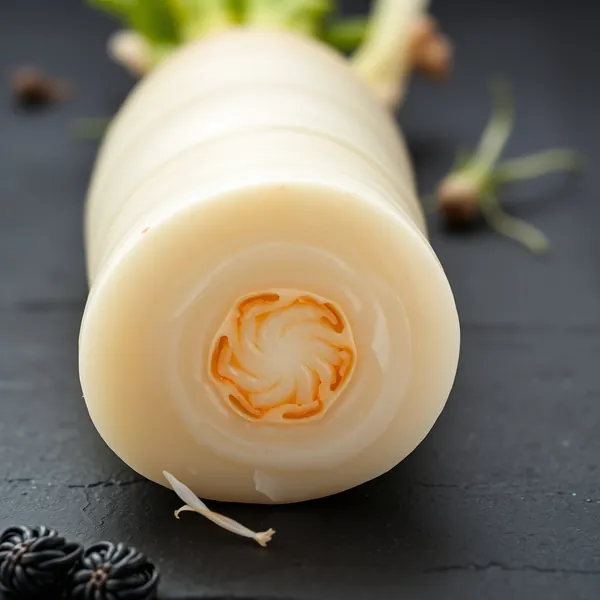
Daikon white radish is a versatile root vegetable known for its crisp texture and mild flavor. It is low in calories and high in water content, making it a refreshing addition to various dishes.
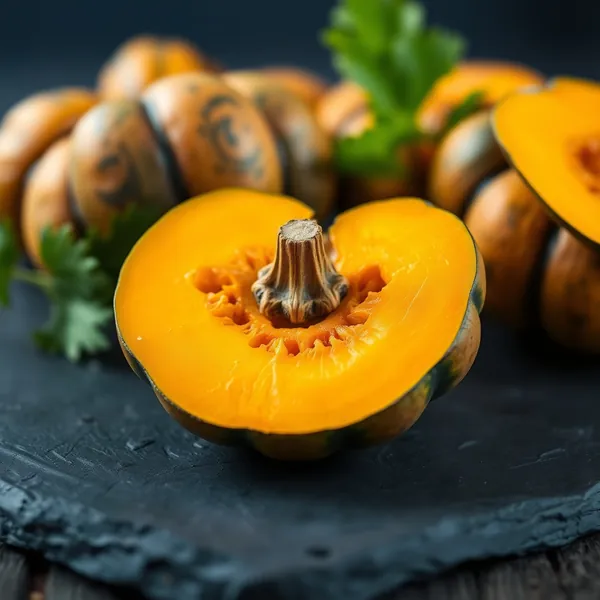
 Daikon White RadishVSAcorn Squash
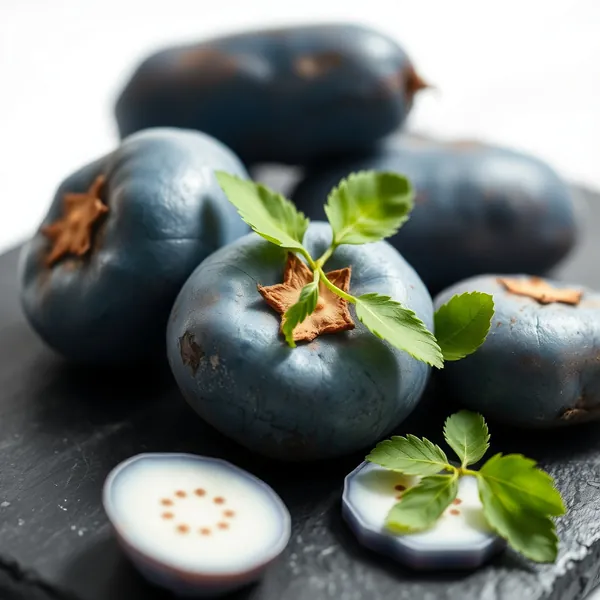
 Daikon White RadishVSAdria Blue Potatoes
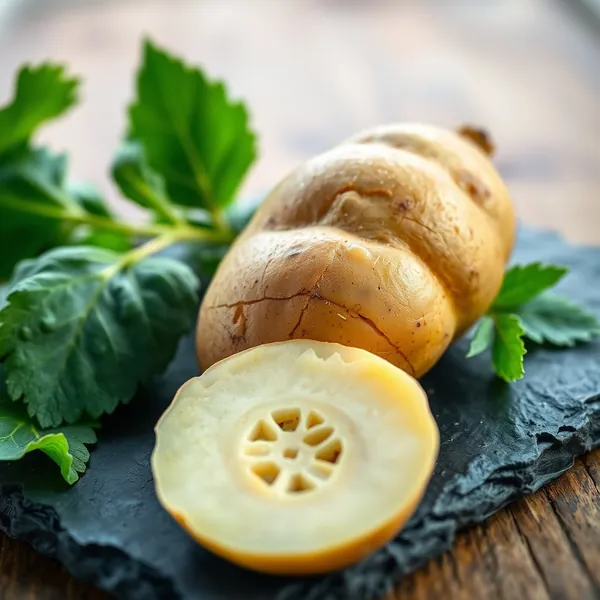
 Daikon White RadishVSAir Potato
 Daikon White RadishVSGarlic
 Daikon White RadishVSAlexanders
 Daikon White RadishVSAloe Vera
 Daikon White RadishVSArrowhead
 Daikon White RadishVSArtichoke
 Daikon White RadishVSArugula
 Daikon White RadishVSAsh Gourd
Macronutrient Ratio
Caloric distribution of primary energy metrics per 100g
Micronutrient DV% Score
Top vitamins and minerals ranked by percentage of Daily Recommended Value
Complete Micronutrient Breakdown
Detailed concentration of essential micronutrients per 100g serving.
Vitamins
Minerals
Health Benefits
Possible Risks & Side Effects
How to Prepare & Consume
Best enjoyed raw in salads, pickled, or lightly cooked to retain its crunch and nutrients.
Smart Selection & Storage
Choose firm, smooth daikon with no blemishes or soft spots. Smaller daikons tend to be sweeter and more tender.
Store in the refrigerator, wrapped in a damp paper towel to keep it fresh for up to two weeks.
Myths vs Realities
Healthy Recipes
Spicy Daikon Radish Salad
A refreshing salad combining the crispness of daikon radish with a spicy sesame dressing, perfect for a light lunch or side dish.
- 1 cup daikon radish, julienned
- 1 tablespoon sesame oil
- 1 tablespoon rice vinegar
- 1 teaspoon chili paste
- 1 tablespoon soy sauce
- 1 tablespoon sesame seeds
- 1 green onion, chopped
- 1. In a large bowl, combine the julienned daikon radish and chopped green onion.
- 2. In a separate bowl, whisk together sesame oil, rice vinegar, chili paste, and soy sauce.
- 3. Pour the dressing over the radish mixture, toss well, and sprinkle with sesame seeds before serving.
Daikon Radish Stir-Fry with Tofu
A vibrant stir-fry featuring daikon radish and tofu, packed with nutrients and flavor, ideal for a quick weeknight dinner.
- 1 cup daikon radish, sliced
- 200g firm tofu, cubed
- 1 bell pepper, sliced
- 2 tablespoons soy sauce
- 1 tablespoon olive oil
- 1 teaspoon ginger, minced
- 1 garlic clove, minced
- 1. Heat olive oil in a pan over medium heat, add minced garlic and ginger, and sauté for 1 minute.
- 2. Add cubed tofu and cook until golden brown, then add sliced daikon and bell pepper.
- 3. Stir in soy sauce and cook for an additional 5 minutes until vegetables are tender.
Daikon Radish Noodle Bowl
A healthy noodle bowl using spiralized daikon radish as a base, topped with fresh vegetables and a zesty dressing.
- 1 large daikon radish, spiralized
- 1 carrot, spiralized
- 1 cucumber, sliced
- 1 tablespoon peanut butter
- 1 tablespoon soy sauce
- 1 tablespoon lime juice
- Fresh cilantro for garnish
- 1. In a bowl, combine spiralized daikon, carrot, and cucumber.
- 2. In a small bowl, whisk together peanut butter, soy sauce, and lime juice until smooth.
- 3. Drizzle the dressing over the noodles, toss well, and garnish with fresh cilantro.
Roasted Daikon Radish Chips
Crispy and healthy roasted daikon radish chips, a perfect guilt-free snack that satisfies your crunch cravings.
- 1 large daikon radish, thinly sliced
- 1 tablespoon olive oil
- 1 teaspoon sea salt
- 1 teaspoon paprika
- 1. Preheat the oven to 400°F (200°C) and line a baking sheet with parchment paper.
- 2. In a bowl, toss daikon slices with olive oil, sea salt, and paprika until evenly coated.
- 3. Spread the slices in a single layer on the baking sheet and roast for 20-25 minutes, flipping halfway, until crispy.
Daikon Radish and Avocado Sushi Rolls
Delicious sushi rolls featuring daikon radish and creamy avocado, making for a nutritious and satisfying meal.
- 1 cup sushi rice, cooked
- 1 large daikon radish, cut into thin strips
- 1 avocado, sliced
- 4 sheets nori
- Soy sauce for dipping
- Wasabi (optional)
- 1. Lay a sheet of nori on a bamboo sushi mat and spread a thin layer of sushi rice over it.
- 2. Arrange daikon strips and avocado slices in the center of the rice.
- 3. Roll tightly using the mat, slice into pieces, and serve with soy sauce and wasabi.
Daikon Radish and Lentil Soup
A hearty and nutritious soup made with daikon radish and lentils, perfect for a warm and comforting meal.
- 1 cup daikon radish, diced
- 1 cup lentils, rinsed
- 1 onion, chopped
- 2 carrots, diced
- 4 cups vegetable broth
- 1 teaspoon cumin
- Salt and pepper to taste
- 1. In a large pot, sauté onion, carrots, and daikon radish until softened.
- 2. Add lentils, vegetable broth, cumin, salt, and pepper, and bring to a boil.
- 3. Reduce heat and simmer for 30-40 minutes until lentils are tender.
Daikon Radish Kimchi
A spicy and tangy fermented daikon radish kimchi that adds a probiotic boost to your meals.
- 2 cups daikon radish, julienned
- 1 tablespoon salt
- 1 tablespoon chili powder
- 1 teaspoon sugar
- 2 green onions, chopped
- 1 tablespoon fish sauce (optional)
- 1. In a bowl, toss daikon radish with salt and let it sit for 30 minutes to release moisture.
- 2. Rinse the radish and mix with chili powder, sugar, green onions, and fish sauce.
- 3. Pack into a jar, pressing down to remove air bubbles, and let it ferment at room temperature for 1-2 days.
Daikon Radish and Quinoa Salad
A nutritious salad featuring quinoa and daikon radish, tossed with a light lemon vinaigrette for a refreshing dish.
- 1 cup cooked quinoa
- 1 cup daikon radish, diced
- 1/2 cucumber, diced
- 1/4 cup parsley, chopped
- 2 tablespoons olive oil
- 1 tablespoon lemon juice
- Salt and pepper to taste
- 1. In a large bowl, combine cooked quinoa, diced daikon radish, cucumber, and parsley.
- 2. In a small bowl, whisk together olive oil, lemon juice, salt, and pepper.
- 3. Pour the dressing over the salad, toss well, and serve chilled.
Daikon Radish and Chickpea Tacos
Flavorful tacos filled with spiced chickpeas and shredded daikon radish, offering a delicious plant-based meal.
- 1 cup chickpeas, cooked
- 1 cup daikon radish, shredded
- 1 teaspoon cumin
- 1 teaspoon paprika
- 4 corn tortillas
- Fresh cilantro for garnish
- Lime wedges for serving
- 1. In a skillet, heat chickpeas with cumin and paprika until warmed through.
- 2. Warm corn tortillas in a separate pan until pliable.
- 3. Assemble tacos by filling tortillas with chickpeas and shredded daikon, garnishing with cilantro and serving with lime wedges.
Frequently Asked Questions (FAQ)
What is daikon white radish?
Daikon white radish is a long, white root vegetable commonly used in Asian cuisine, known for its mild flavor and crunchy texture.
How do you store daikon?
Store daikon in the refrigerator, wrapped in a damp paper towel and placed in a plastic bag to maintain moisture.
Can you eat daikon raw?
Yes, daikon can be eaten raw in salads or as a crunchy snack.
What are the health benefits of daikon?
Daikon is low in calories, high in vitamin C, and contains antioxidants that may help reduce inflammation.
How do you prepare daikon for cooking?
Peel the skin, slice or dice it, and it can be added to stir-fries, soups, or stews.
Is daikon good for weight loss?
Yes, due to its low calorie and high fiber content, daikon can be a great addition to a weight loss diet.
Can daikon help with digestion?
Yes, the fiber in daikon can aid in digestion and promote gut health.
What dishes can I make with daikon?
Daikon can be used in salads, pickles, soups, and stir-fries, or as a garnish.