
Cooked Taro
Colocasia esculentaClinical Encyclopedia
Cooked Taro provides 142 kcal, 1.5g of protein, 34.6g of carbohydrates, and 5.1g of fiber per 100g. With a Nutri-Score grade 'A', it is a highly recommended option for nutrient density.
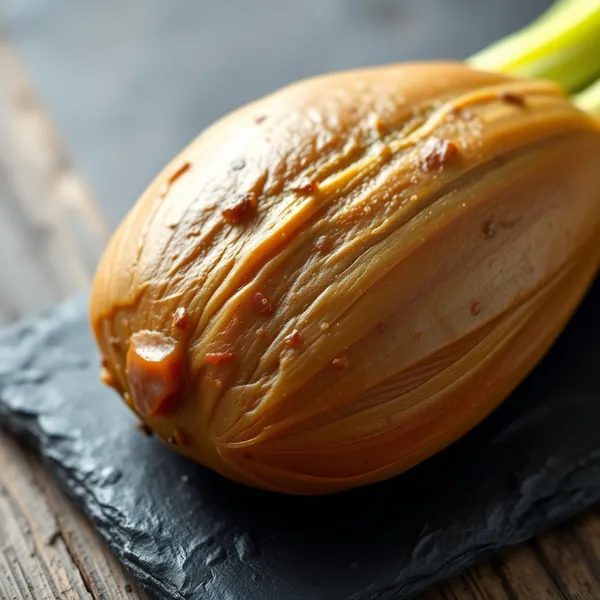
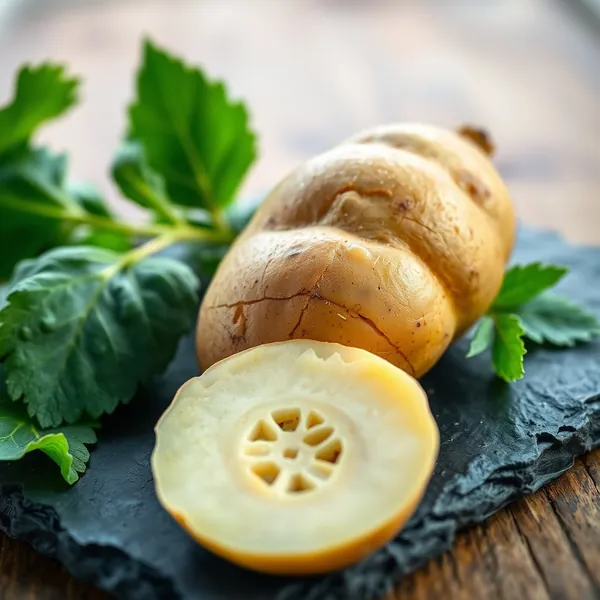
Cooked taro is a starchy root vegetable known for its nutty flavor and creamy texture. It is rich in carbohydrates and dietary fiber, making it a popular choice in various cuisines.




Macronutrient Ratio
Caloric distribution of primary energy metrics per 100g
Micronutrient DV% Score
Top vitamins and minerals ranked by percentage of Daily Recommended Value
Complete Micronutrient Breakdown
Detailed concentration of essential micronutrients per 100g serving.
Vitamins
Minerals
Health Benefits
Possible Risks & Side Effects
How to Prepare & Consume
Cook taro by boiling, steaming, or baking to enhance its flavor and digestibility. Peel the skin before cooking to remove any potential irritants.
Smart Selection & Storage
Choose firm, heavy taro roots with smooth skin and no blemishes. Avoid any that feel soft or have dark spots.
Store taro in a cool, dry place. Once cooked, refrigerate in an airtight container and consume within 3-5 days.
Myths vs Realities
Healthy Recipes
Taro and Quinoa Salad
A refreshing salad combining cooked taro with protein-rich quinoa, fresh vegetables, and a zesty lemon dressing.
- 1 cup cooked taro, diced
- 1 cup cooked quinoa
- 1/2 cup cherry tomatoes, halved
- 1/2 cucumber, diced
- 1/4 cup red onion, finely chopped
- 2 tablespoons olive oil
- 1 tablespoon lemon juice
- Salt and pepper to taste
- 1. In a large bowl, combine the cooked taro, quinoa, cherry tomatoes, cucumber, and red onion.
- 2. In a small bowl, whisk together olive oil, lemon juice, salt, and pepper.
- 3. Pour the dressing over the salad and toss gently to combine. Serve chilled.
Taro and Spinach Fritters
Crispy and nutritious fritters made with cooked taro, fresh spinach, and chickpea flour, perfect as a snack or appetizer.
- 1 cup cooked taro, mashed
- 1 cup fresh spinach, chopped
- 1/2 cup chickpea flour
- 1/4 teaspoon turmeric
- Salt and pepper to taste
- Olive oil for frying
- 1. In a mixing bowl, combine the mashed taro, chopped spinach, chickpea flour, turmeric, salt, and pepper.
- 2. Form the mixture into small patties.
- 3. Heat olive oil in a skillet over medium heat and fry the patties until golden brown on both sides. Drain on paper towels and serve warm.
Taro Coconut Curry
A creamy and flavorful curry featuring cooked taro, coconut milk, and a blend of aromatic spices, served over brown rice.
- 1 cup cooked taro, cubed
- 1 can coconut milk
- 1 tablespoon curry powder
- 1 onion, chopped
- 2 cloves garlic, minced
- 1 tablespoon ginger, grated
- 2 cups spinach
- Salt to taste
- Brown rice for serving
- 1. In a pot, sauté onion, garlic, and ginger until fragrant.
- 2. Add curry powder and stir for a minute before adding the coconut milk and cooked taro.
- 3. Simmer for 10 minutes, then add spinach and cook until wilted. Serve over brown rice.
Taro Smoothie Bowl
A vibrant smoothie bowl made with cooked taro, banana, and almond milk, topped with fresh fruits and seeds.
- 1 cup cooked taro
- 1 banana
- 1 cup almond milk
- 1 tablespoon chia seeds
- Fresh fruits for topping (e.g., berries, kiwi)
- Granola for topping
- 1. Blend the cooked taro, banana, and almond milk until smooth.
- 2. Pour the mixture into a bowl and top with fresh fruits, chia seeds, and granola.
- 3. Enjoy immediately as a nutritious breakfast or snack.
Taro and Black Bean Tacos
Healthy tacos filled with seasoned cooked taro and black beans, topped with avocado and fresh salsa.
- 1 cup cooked taro, diced
- 1 cup black beans, rinsed
- 1 teaspoon cumin
- 1 teaspoon chili powder
- Corn tortillas
- 1 avocado, sliced
- Fresh salsa for topping
- 1. In a skillet, combine cooked taro, black beans, cumin, and chili powder, cooking until heated through.
- 2. Warm the corn tortillas in another pan.
- 3. Fill each tortilla with the taro and bean mixture, top with avocado slices and fresh salsa, and serve.
Taro and Vegetable Stir-Fry
A colorful stir-fry featuring cooked taro and a variety of vegetables, tossed in a light soy sauce and sesame dressing.
- 1 cup cooked taro, sliced
- 1 bell pepper, sliced
- 1 cup broccoli florets
- 2 carrots, julienned
- 2 tablespoons soy sauce
- 1 tablespoon sesame oil
- Sesame seeds for garnish
- 1. In a large pan, heat sesame oil over medium heat and add the bell pepper, broccoli, and carrots.
- 2. Stir-fry until vegetables are tender, then add the cooked taro and soy sauce, stirring to combine.
- 3. Cook for an additional 2 minutes, then garnish with sesame seeds before serving.
Taro and Lentil Soup
A hearty and nutritious soup made with cooked taro, lentils, and a blend of spices, perfect for a comforting meal.
- 1 cup cooked taro, diced
- 1 cup lentils, rinsed
- 1 onion, chopped
- 2 carrots, diced
- 4 cups vegetable broth
- 1 teaspoon cumin
- Salt and pepper to taste
- 1. In a pot, sauté onion and carrots until softened.
- 2. Add lentils, vegetable broth, cumin, salt, and pepper, bringing to a boil.
- 3. Reduce heat and simmer until lentils are tender, then stir in the cooked taro and heat through before serving.
Taro and Apple Hash
A delicious breakfast hash featuring cooked taro, apples, and spices, served with a poached egg on top.
- 1 cup cooked taro, diced
- 1 apple, diced
- 1/2 onion, chopped
- 1 teaspoon cinnamon
- 2 eggs
- Olive oil for cooking
- Salt and pepper to taste
- 1. In a skillet, heat olive oil and sauté onion until translucent.
- 2. Add diced apple, cooked taro, cinnamon, salt, and pepper, cooking until heated through.
- 3. Meanwhile, poach the eggs and serve on top of the hash.
Taro and Chickpea Buddha Bowl
A nourishing Buddha bowl filled with cooked taro, chickpeas, greens, and a tahini dressing for a complete meal.
- 1 cup cooked taro, cubed
- 1 cup chickpeas, rinsed
- 2 cups mixed greens
- 1/4 cup tahini
- 2 tablespoons lemon juice
- Salt and pepper to taste
- 1. In a bowl, layer mixed greens, cooked taro, and chickpeas.
- 2. In a small bowl, whisk together tahini, lemon juice, salt, and pepper.
- 3. Drizzle the dressing over the bowl and serve.
Taro and Mushroom Risotto
A creamy risotto made with arborio rice, cooked taro, and sautéed mushrooms, perfect for a comforting dinner.
- 1 cup arborio rice
- 1 cup cooked taro, diced
- 1 cup mushrooms, sliced
- 4 cups vegetable broth
- 1 onion, chopped
- 2 tablespoons olive oil
- Salt and pepper to taste
- 1. In a pot, heat olive oil and sauté onion until softened, then add mushrooms and cook until browned.
- 2. Stir in arborio rice and cook for a minute before gradually adding vegetable broth, stirring frequently.
- 3. Once the rice is creamy and cooked, fold in the cooked taro, season with salt and pepper, and serve warm.
Frequently Asked Questions (FAQ)
Is cooked taro safe to eat?
Yes, cooked taro is safe to eat as cooking removes harmful compounds found in raw taro.
How do you prepare taro?
Peel the skin, cut into pieces, and boil or steam until tender.
What are the health benefits of taro?
Taro is high in fiber, potassium, and antioxidants, which support digestive health and heart function.
Can you eat taro skin?
No, the skin should be removed as it can contain irritants.
How many calories are in cooked taro?
There are approximately 142 calories in 100 grams of cooked taro.
Is taro gluten-free?
Yes, taro is naturally gluten-free and suitable for those with gluten intolerance.
Can taro be eaten raw?
No, raw taro should not be eaten as it can cause irritation; it must be cooked.
What dishes can be made with taro?
Taro can be used in soups, stews, desserts, and as a side dish.