
Alligator Tail
Alligator mississippiensisClinical Encyclopedia
Alligator Tail provides 143 kcal, 30g of protein, 0g of carbohydrates, and 0g of fiber per 100g. With a Nutri-Score grade 'A', it is a highly recommended option for nutrient density.
Alligator tail is a lean source of protein that is low in fat and rich in essential nutrients, making it a unique addition to various culinary dishes. It has a mild flavor and a texture similar to chicken or fish.
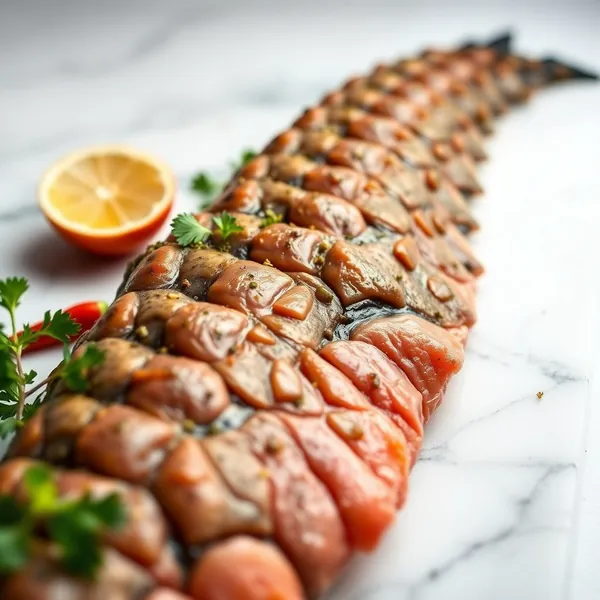 Alligator TailVSAbalone
 Alligator TailVSAlligator Tail Meat
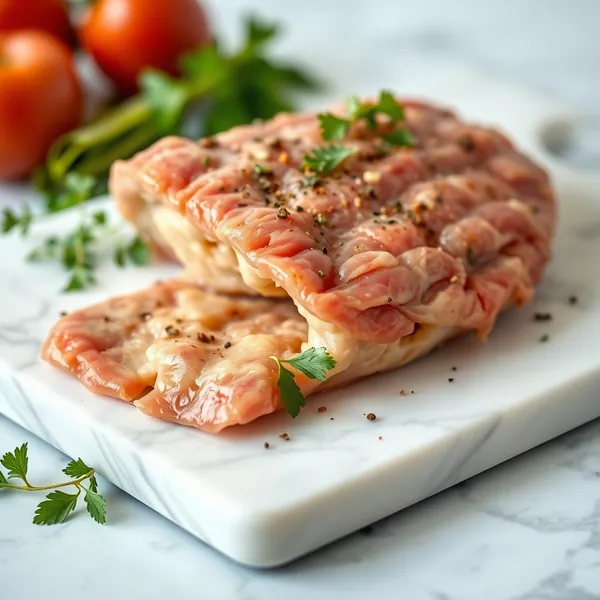 Alligator TailVSFried Alligator Tail Meat
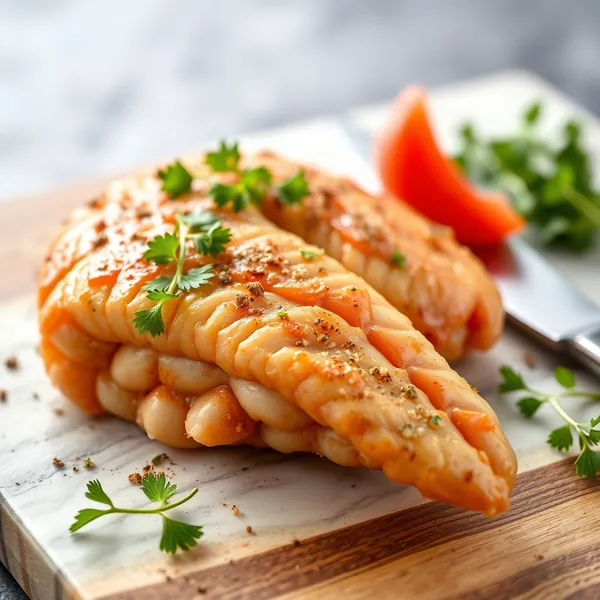 Alligator TailVSAlpaca Loin Steak
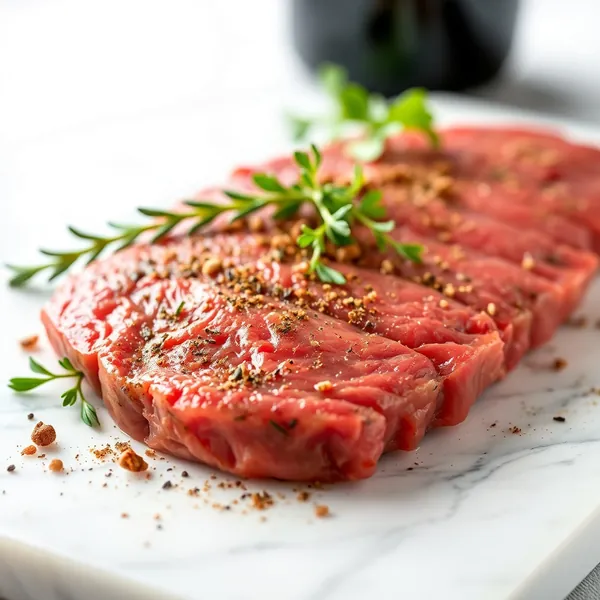 Alligator TailVSSpicy Andouille Sausage
 Alligator TailVSAntelope Loin Steak
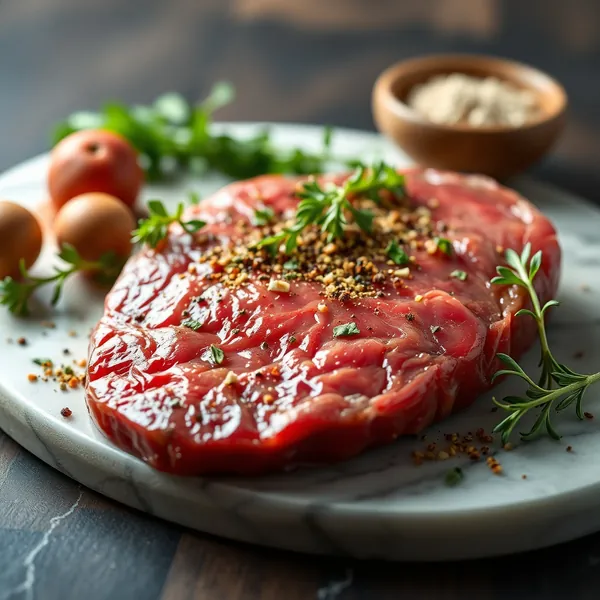 Alligator TailVSBacon
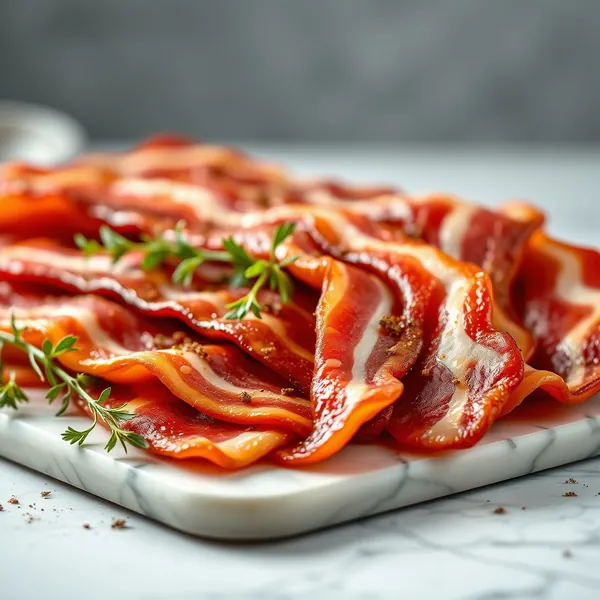 Alligator TailVSApplewood Smoked Bacon
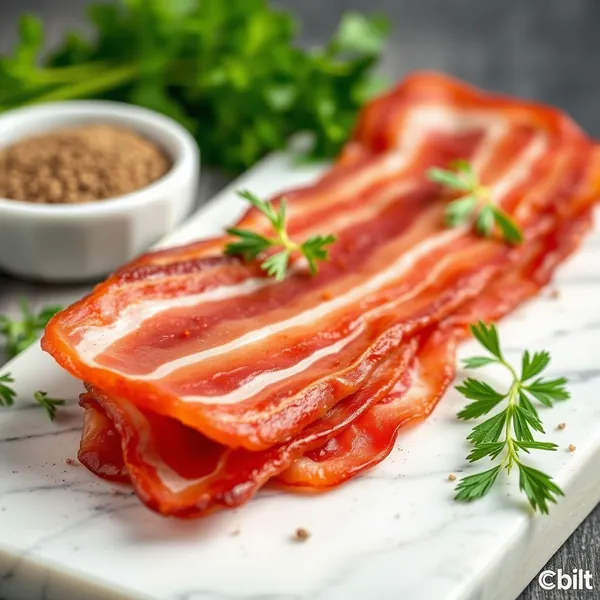 Alligator TailVSCanadian Back Bacon
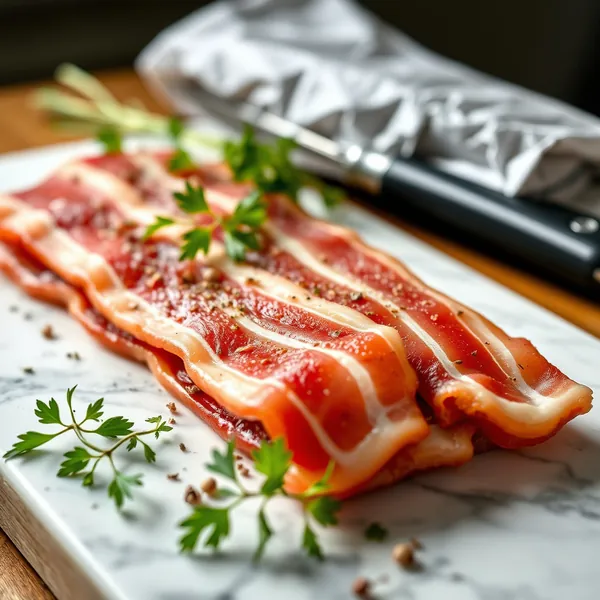 Alligator TailVSHickory Smoked Bacon
Macronutrient Ratio
Caloric distribution of primary energy metrics per 100g
Micronutrient DV% Score
Top vitamins and minerals ranked by percentage of Daily Recommended Value
Complete Micronutrient Breakdown
Detailed concentration of essential micronutrients per 100g serving.
Vitamins
Minerals
Health Benefits
Possible Risks & Side Effects
How to Prepare & Consume
Best enjoyed grilled, fried, or in stews. Ensure it is cooked to an internal temperature of 165°F (74°C) for safety.
Smart Selection & Storage
Choose alligator tail that is firm, moist, and has a fresh smell. Avoid any that appear discolored or have an off odor.
Store alligator tail in the refrigerator and consume within 1-2 days or freeze for longer storage.
Myths vs Realities
Healthy Recipes
Grilled Alligator Tail with Citrus Herb Marinade
This refreshing dish features alligator tail marinated in a zesty citrus herb blend, grilled to perfection for a healthy and flavorful meal.
- 1 lb alligator tail, cut into medallions
- 1/4 cup olive oil
- Juice of 2 limes
- Juice of 1 orange
- 2 cloves garlic, minced
- 1 tsp fresh thyme
- 1 tsp fresh parsley
- Salt and pepper to taste
- 1. In a bowl, whisk together olive oil, lime juice, orange juice, garlic, thyme, parsley, salt, and pepper.
- 2. Add alligator tail medallions to the marinade, cover, and refrigerate for at least 1 hour.
- 3. Preheat the grill to medium-high heat and grill the alligator for about 3-4 minutes on each side until cooked through.
Alligator Tail Stir-Fry with Vegetables
A quick and colorful stir-fry featuring tender alligator tail and a mix of vibrant vegetables, perfect for a nutritious meal.
- 1 lb alligator tail, sliced thinly
- 2 cups mixed bell peppers, sliced
- 1 cup broccoli florets
- 2 carrots, julienned
- 2 tbsp soy sauce
- 1 tbsp sesame oil
- 1 tsp ginger, grated
- 2 green onions, chopped
- 1. Heat sesame oil in a large skillet over medium-high heat, add ginger, and sauté for 1 minute.
- 2. Add alligator tail slices and cook until browned, about 4-5 minutes.
- 3. Stir in vegetables and soy sauce, cooking until vegetables are tender-crisp, about 5 minutes. Garnish with green onions before serving.
Baked Alligator Tail with Quinoa and Spinach
This wholesome dish combines baked alligator tail with protein-packed quinoa and fresh spinach for a nutritious meal.
- 1 lb alligator tail, cut into chunks
- 1 cup quinoa, rinsed
- 2 cups vegetable broth
- 2 cups fresh spinach
- 1 tbsp olive oil
- 1 tsp paprika
- Salt and pepper to taste
- 1. Preheat the oven to 375°F (190°C).
- 2. In a baking dish, toss alligator tail chunks with olive oil, paprika, salt, and pepper. Bake for 20 minutes.
- 3. Meanwhile, cook quinoa in vegetable broth according to package instructions. Stir in fresh spinach until wilted. Serve alligator over quinoa.
Spicy Alligator Tail Tacos with Avocado Salsa
These spicy alligator tail tacos are topped with a fresh avocado salsa, making for a fun and healthy twist on traditional tacos.
- 1 lb alligator tail, diced
- 2 tbsp taco seasoning
- 8 corn tortillas
- 1 avocado, diced
- 1/2 cup cherry tomatoes, halved
- 1/4 cup red onion, diced
- 1 lime, juiced
- Cilantro for garnish
- 1. Season diced alligator tail with taco seasoning and cook in a skillet over medium heat until browned, about 5-7 minutes.
- 2. In a bowl, combine avocado, tomatoes, red onion, lime juice, and cilantro for the salsa.
- 3. Warm tortillas, fill with alligator tail, and top with avocado salsa before serving.
Alligator Tail Salad with Mango Dressing
A light and refreshing salad featuring grilled alligator tail served over mixed greens with a sweet mango dressing.
- 1 lb alligator tail, grilled and sliced
- 4 cups mixed greens
- 1 mango, diced
- 1/4 cup olive oil
- 2 tbsp apple cider vinegar
- Salt and pepper to taste
- 1. In a blender, combine diced mango, olive oil, apple cider vinegar, salt, and pepper. Blend until smooth.
- 2. On a plate, arrange mixed greens and top with grilled alligator tail slices.
- 3. Drizzle mango dressing over the salad and serve immediately.
Alligator Tail and Vegetable Skewers
These colorful skewers feature marinated alligator tail and seasonal vegetables, perfect for grilling at your next barbecue.
- 1 lb alligator tail, cut into cubes
- 1 zucchini, sliced
- 1 red bell pepper, cut into chunks
- 1 yellow bell pepper, cut into chunks
- 1/4 cup olive oil
- 2 tbsp balsamic vinegar
- Salt and pepper to taste
- 1. In a bowl, mix olive oil, balsamic vinegar, salt, and pepper. Add alligator tail and vegetables, tossing to coat.
- 2. Thread alligator and vegetables onto skewers.
- 3. Grill skewers over medium heat for about 10-12 minutes, turning occasionally, until cooked through.
Alligator Tail Ceviche with Lime and Cilantro
A refreshing ceviche made with alligator tail, marinated in lime juice and mixed with fresh herbs and vegetables.
- 1 lb alligator tail, diced
- Juice of 4 limes
- 1/2 cup red onion, diced
- 1/2 cup cucumber, diced
- 1/4 cup cilantro, chopped
- Salt and pepper to taste
- 1. In a bowl, combine diced alligator tail and lime juice. Let marinate for 30 minutes.
- 2. Add red onion, cucumber, cilantro, salt, and pepper to the mixture. Stir well.
- 3. Serve chilled as an appetizer or light meal.
Alligator Tail Soup with Coconut Milk
This creamy soup features tender alligator tail simmered in coconut milk with spices for a comforting and healthy dish.
- 1 lb alligator tail, cut into pieces
- 1 can coconut milk
- 2 cups vegetable broth
- 1 onion, chopped
- 2 cloves garlic, minced
- 1 tsp curry powder
- Salt and pepper to taste
- 1. In a pot, sauté onion and garlic until translucent.
- 2. Add alligator tail pieces, coconut milk, vegetable broth, curry powder, salt, and pepper. Bring to a boil.
- 3. Reduce heat and simmer for 20 minutes until alligator is tender. Serve hot.
Alligator Tail and Sweet Potato Hash
A hearty hash featuring diced alligator tail and sweet potatoes, perfect for a nutritious breakfast or brunch.
- 1 lb alligator tail, diced
- 2 medium sweet potatoes, diced
- 1 bell pepper, diced
- 1 onion, chopped
- 2 tbsp olive oil
- Salt and pepper to taste
- 2 eggs (optional)
- 1. In a skillet, heat olive oil over medium heat. Add sweet potatoes and cook until tender, about 10 minutes.
- 2. Add onion, bell pepper, and alligator tail. Cook until alligator is browned and cooked through, about 5-7 minutes.
- 3. Season with salt and pepper. If desired, top with fried or poached eggs before serving.
Alligator Tail Lettuce Wraps
These fresh lettuce wraps are filled with seasoned alligator tail and crunchy vegetables, making for a light and healthy meal.
- 1 lb alligator tail, cooked and shredded
- 1 head of butter lettuce, leaves separated
- 1 carrot, grated
- 1 cucumber, julienned
- 2 tbsp hoisin sauce
- 1 tbsp sesame seeds
- 1. In a bowl, mix shredded alligator tail with hoisin sauce.
- 2. Lay out lettuce leaves and fill each with alligator mixture, grated carrot, and cucumber.
- 3. Sprinkle with sesame seeds and serve as a healthy appetizer or main dish.
Frequently Asked Questions (FAQ)
Is alligator tail healthy?
Yes, alligator tail is a lean source of protein, low in fat, and rich in essential nutrients.
How should I cook alligator tail?
Alligator tail can be grilled, fried, or used in stews. Ensure it reaches an internal temperature of 165°F (74°C).
What does alligator tail taste like?
It has a mild flavor and a texture similar to chicken or fish.
Where can I buy alligator tail?
Alligator tail can be found in specialty meat markets, some grocery stores, or online.
Is alligator tail sustainable?
Sustainability varies by source; look for alligator meat from regulated farms.
Can I eat alligator tail raw?
No, alligator tail should always be cooked to ensure safety.
How does alligator tail compare to chicken?
Alligator tail is lower in fat and higher in protein compared to chicken.
Are there any health risks associated with eating alligator tail?
Potential risks include exposure to environmental contaminants; moderation is advised.